A golf cart that won't accelerate when you press the pedal is one of the more frustrating problems you can run into — partly because the symptom covers a wide range of possible causes, from something as simple as a loose wire to a failing speed controller. The good news is that most of these problems follow a logical chain, and you can eliminate the likely culprits one by one without specialized equipment. This guide walks through the main areas to check and what you're looking for in each one.
Start With the Obvious: Key Switch, Run/Tow Switch, and Charge Indicator
Before diving into the pedal assembly itself, make sure the cart is actually ready to run. A lot of "dead pedal" calls turn out to be a run/tow switch left in tow mode after maintenance, or a key switch that isn't making clean contact. Check both. Also confirm there's no charge indicator light or low-battery warning active — on many carts, the system will intentionally prevent movement if the pack voltage is too low or the charger is still connected. These take thirty seconds to verify and eliminate a lot of unnecessary disassembly.
Check the Accelerator Pedal Micro Switch
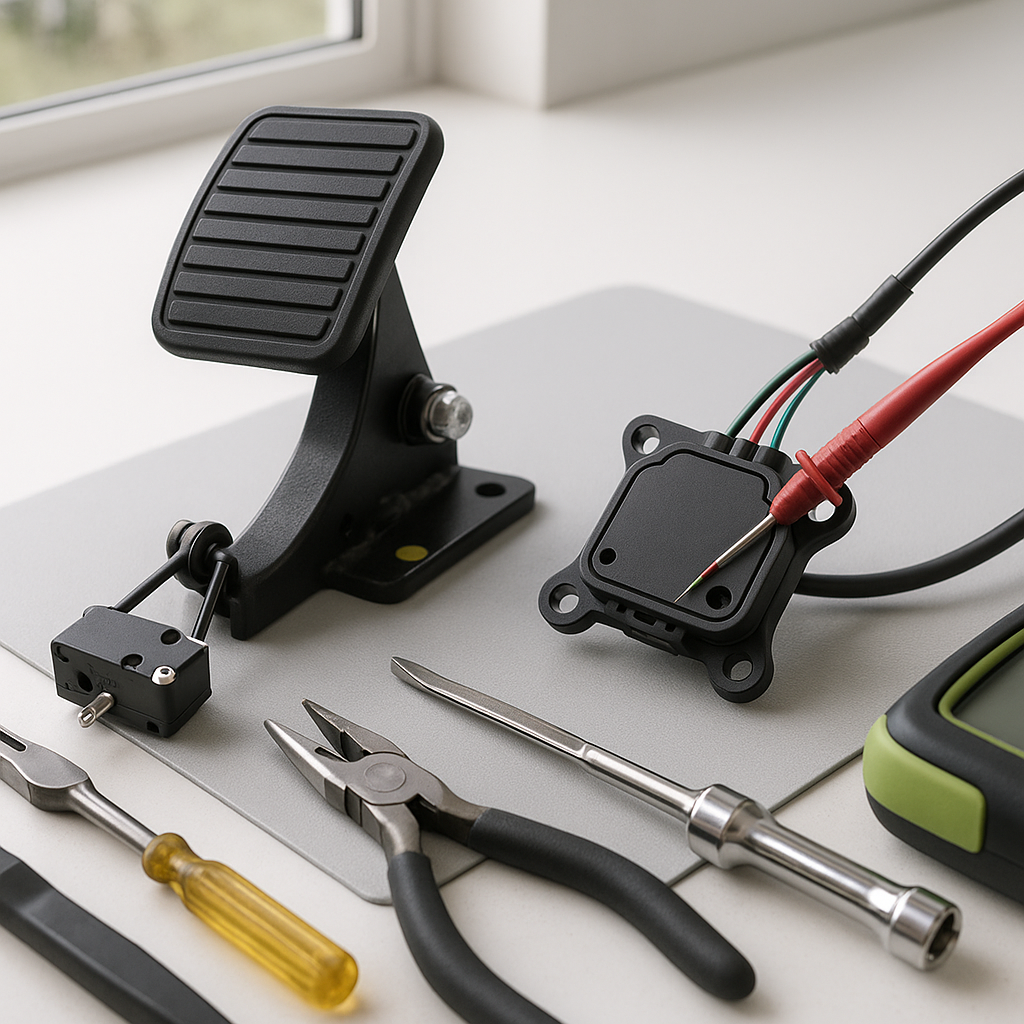
Most golf carts use a small micro switch at the base of the accelerator pedal that signals the controller or solenoid when the pedal is depressed. This switch sees a lot of mechanical wear and is a very common failure point. With the cart off and key out, locate the switch — it's typically mounted on the pedal assembly bracket — and check for obvious damage, corrosion at the connector, or a plunger that seems stuck or doesn't spring back. You can test micro switches with a basic multimeter set to continuity: unpressed should read open, depressed should read closed (or the reverse, depending on your cart's wiring). A switch that reads the same in both states is failed and needs replacement.
Inspect the Accelerator Position Sensor or Potentiometer
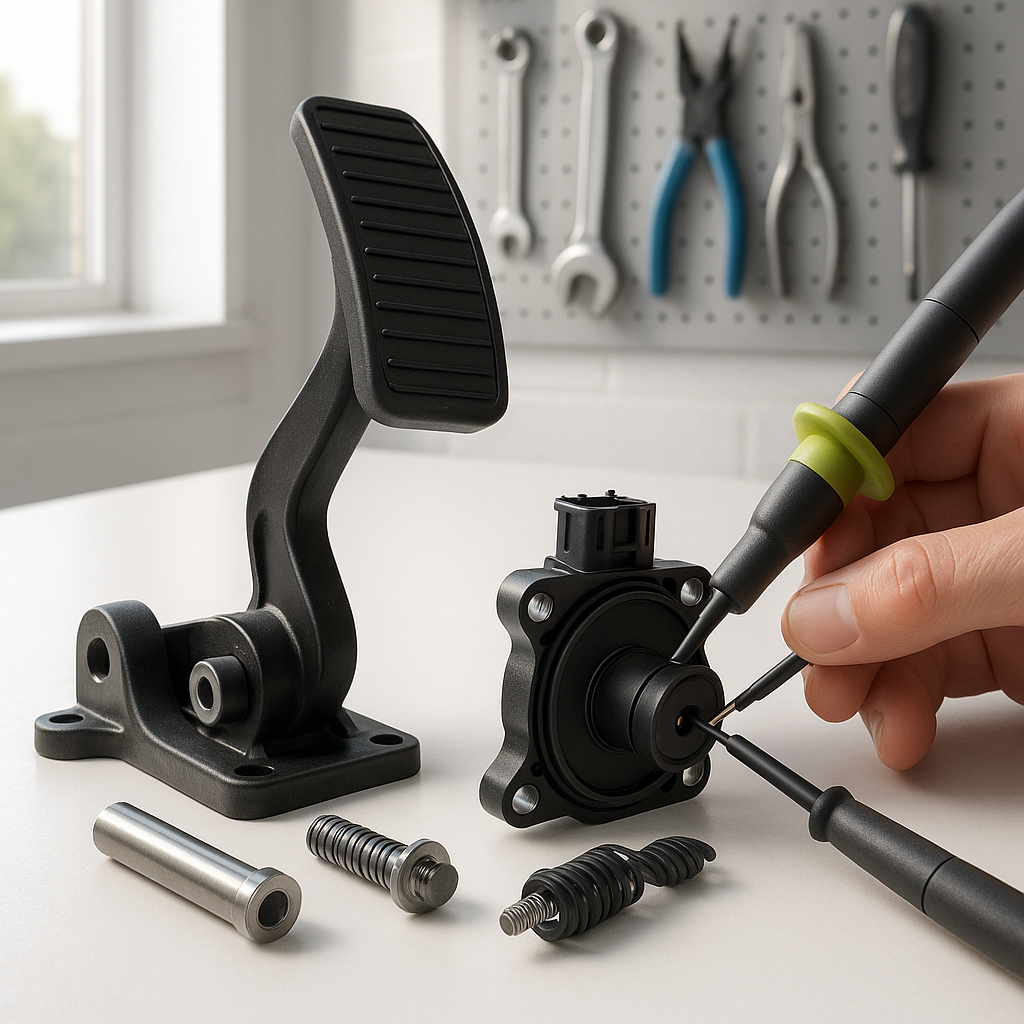
On carts with electronic speed control — the majority of modern electric carts — the pedal assembly also includes either a potentiometer or a magnetic position sensor (often called an ITS, or inductive throttle sensor) that tells the controller how far down the pedal is pressed. These wear out or drift out of calibration over time. A failed pot will often produce erratic behavior rather than complete dead silence: the cart might lurch, creep without input, or respond only at full pedal. A fully dead sensor can prevent the cart from moving at all. Look for corrosion at the connector, worn wiper contacts on older pot-style units, or physical damage to the sensor housing. On many carts, the pedal assembly is a single serviceable unit, so replacement is often the practical fix rather than trying to repair the sensor itself.
Check the Solenoid and Its Wiring
The solenoid is the large relay that connects battery power to the motor or controller when you press the pedal. If the solenoid isn't engaging, the cart will be completely dead regardless of what the pedal does. Listen carefully when you press the accelerator — you should hear an audible click from the solenoid. If you hear nothing, check for voltage at the solenoid's small control terminals when the pedal is pressed. No voltage there points back upstream to the micro switch, wiring, or key circuit. Voltage present but no click usually means the solenoid coil has failed. Voltage and a click but no movement shifts suspicion to the main contacts inside the solenoid being worn or burned.
Look at Wiring and Connectors Along the Pedal Circuit
The wiring between the pedal assembly, solenoid, and controller takes constant flexing and vibration. Terminals corrode, connectors back out slightly, and wire insulation can chafe through where it runs near the frame. With the cart powered down and keys out, trace the wiring from the pedal assembly and look for any connector that feels loose, any terminal showing green or white corrosion, or any wire with damaged insulation. Pay particular attention to grounds — a poor chassis ground in the pedal circuit will cause symptoms that look exactly like a failed component even when the parts themselves are fine.
When the Controller Is the Suspect
If the pedal assembly checks out, the solenoid is clicking, but the cart still won't move or moves erratically, the speed controller itself becomes the suspect. Controllers can fail partially — producing weak or inconsistent acceleration — or completely. Before assuming the controller is gone, check whether it's throwing any fault codes; many modern controllers flash LED patterns or communicate faults through a diagnostic port that can be read with an inexpensive handheld programmer. Also verify that the controller isn't in thermal protection mode from overheating — some units temporarily shut down throttle response when internal temps are too high and resume once cooled. A controller that's truly failed will typically need replacement, as they're not field-repairable.
Gas Carts: Throttle Cable and Governor
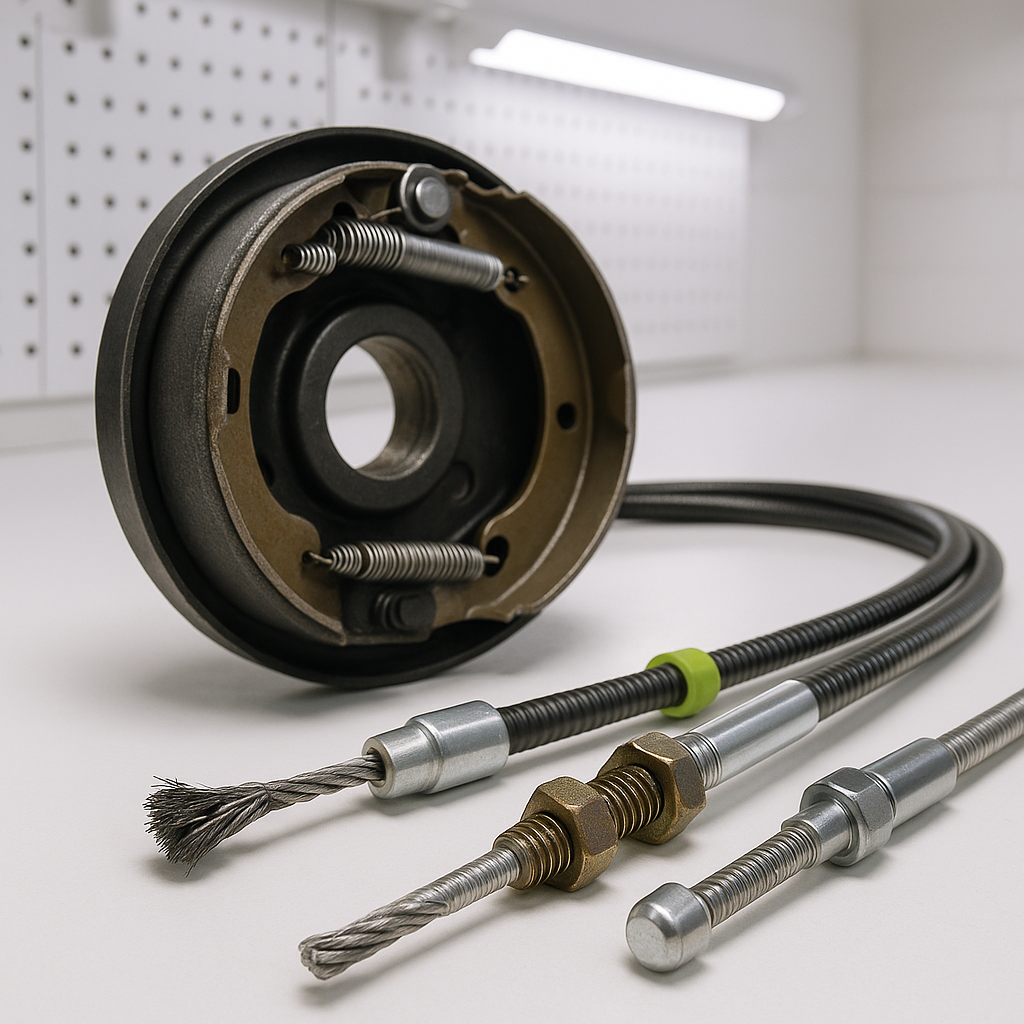
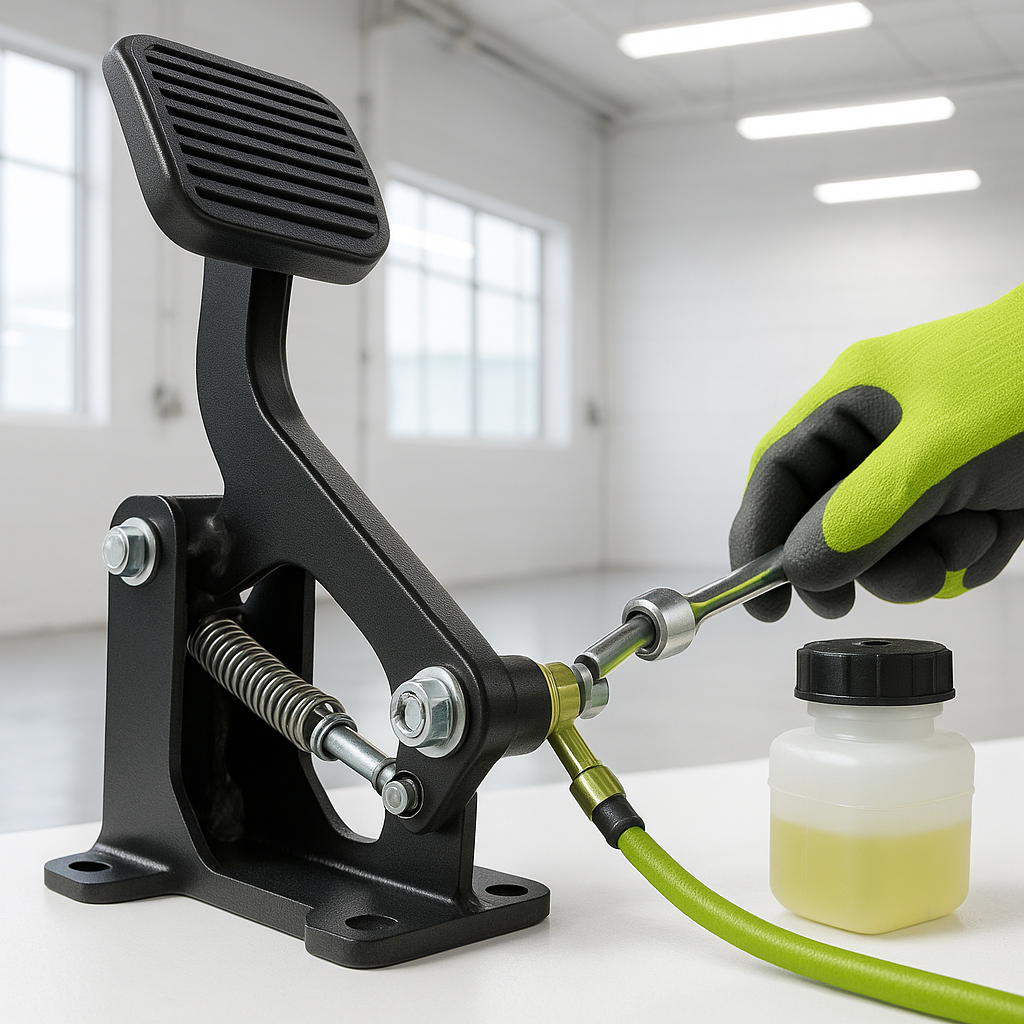
On gas-powered carts, a non-responsive pedal is often a mechanical problem rather than an electrical one. The throttle cable that runs from the pedal to the carburetor can stretch, fray, or stick in the conduit — press the pedal and watch whether the carburetor throttle plate is actually moving. A cable that moves freely at the pedal but doesn't translate to carburetor movement is a clear cable problem. Also check the governor linkage, which limits top speed by restricting throttle travel; if a governor spring has broken or a rod has come loose, the engine may rev normally at idle but fail to respond to pedal input the way you'd expect. Lubricate cable conduits periodically as basic preventive maintenance to avoid this problem.