A golf cart brake pedal that feels soft, spongy, or requires extra travel before anything happens is telling you something is wrong in the brake system. Unlike a pedal that sinks to the floor (usually a mechanical adjustment issue), a spongy feel typically points to a specific set of problems — most of them diagnosable without special tools. Work through these checks in order before you put the cart back in service.
Check the Brake Cable Tension First
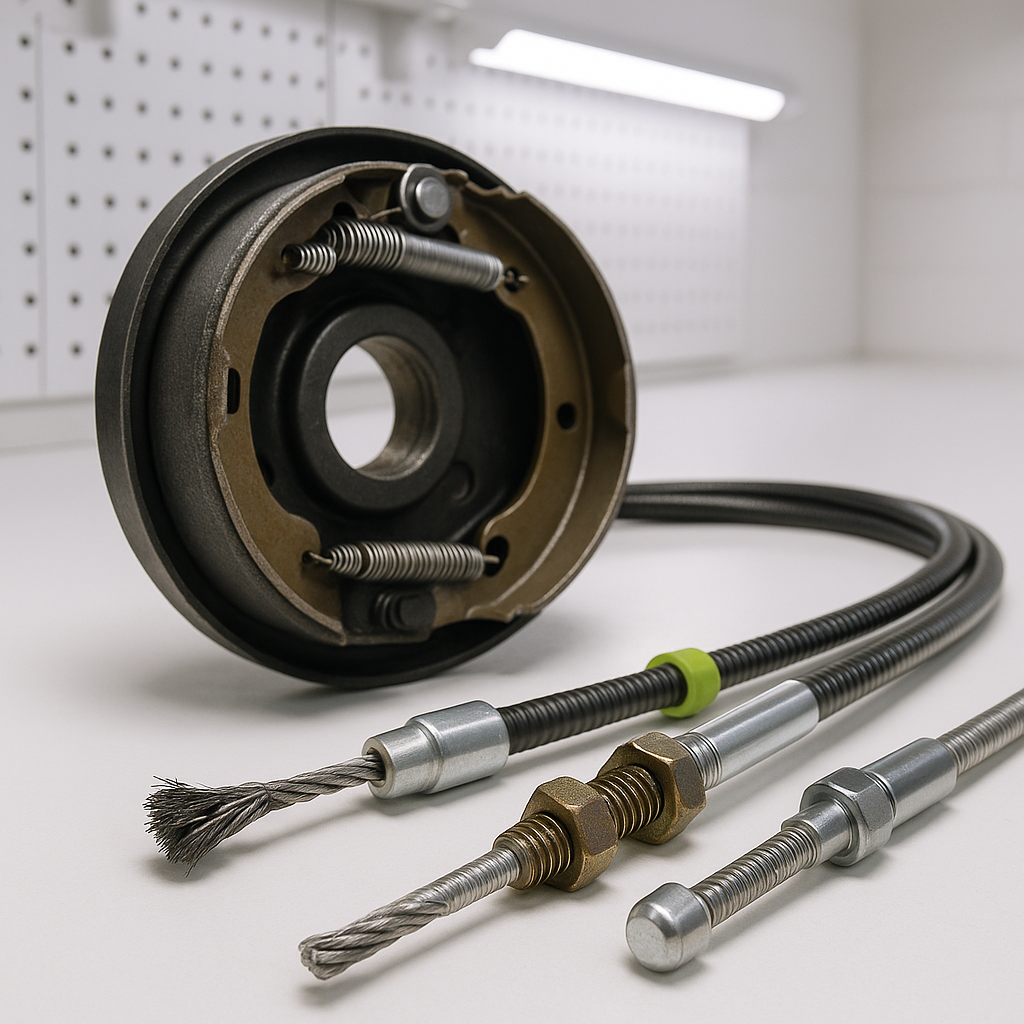
Most golf carts use mechanical drum brakes actuated by a cable system, not hydraulic brakes like a car. On these systems, a spongy or vague pedal feel is almost always a cable and adjustment problem rather than a fluid leak. Start by checking whether the brake cable has slack in it. With the cart parked safely, have someone slowly depress the brake pedal while you watch the cable — it should pull taut and move the brake actuating arm with minimal delay. If there's noticeable slack before tension builds, the cable has stretched or the adjuster has backed off. Both are common on carts with significant mileage and easy to address by tightening the adjuster at the drum end or at the pedal linkage, depending on your cart's setup.
Inspect the Brake Drums and Shoes
Worn brake shoes are one of the most common reasons a pedal feels like it requires too much travel before the brakes engage. As the friction material wears down, the shoes have to move farther to contact the drum surface. Pull the rear wheels and inspect the drums and shoes if you haven't done so recently. Look for lining thickness — if the friction material is thin enough that you can see the backing plate is close to the drum surface, the shoes are overdue for replacement. Also look at the drum interior: deep scoring grooves or a heavily glazed surface reduce braking effectiveness and contribute to that vague pedal response even with otherwise-good shoes.
Look for Loose or Damaged Hardware
The hardware inside a drum brake — springs, retaining clips, and the adjuster mechanism — does more than hold things together. The return springs pull the shoes back to a resting position after you release the pedal, and the self-adjuster (if your cart has one) is supposed to maintain proper shoe-to-drum clearance as the linings wear. If a return spring is weak or broken, shoes may drag or sit in an inconsistent position, making pedal feel unpredictable. Remove the drum and inspect all the hardware carefully. Corroded or deformed springs are cheap to replace and are often overlooked when only shoes and drums get swapped.
Check the Pedal Linkage and Pivot Points
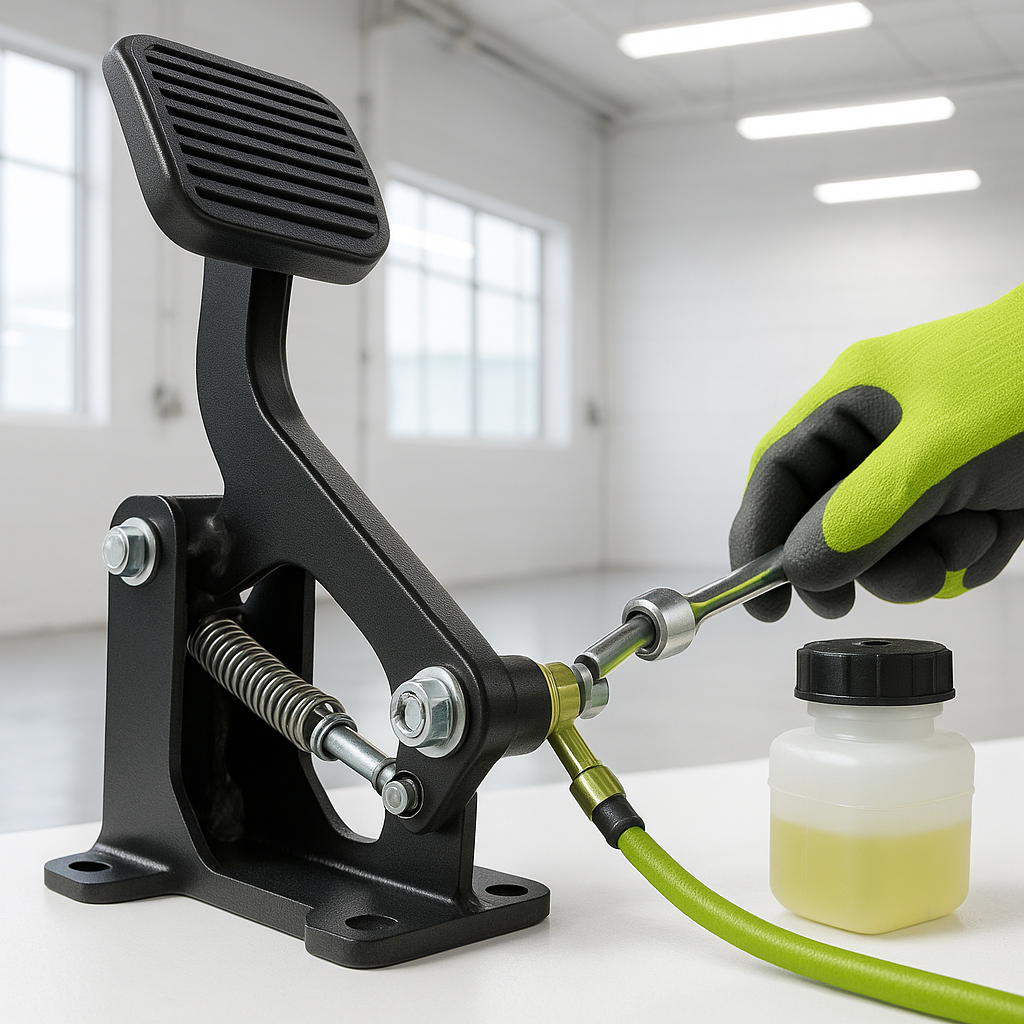
Follow the brake pedal linkage from the pedal itself all the way to where it connects to the cable or the rear brake mechanism. Look for bent rods, loose clevis pins, worn bushings at pivot points, or any point where the linkage can flex or deflect under load instead of transmitting force cleanly. A pivot bushing that has worn oval will introduce slop that feels exactly like cable stretch — the pedal moves but not all of it translates into braking action. This is easy to miss visually; try wiggling each pivot joint by hand to feel for play. Any bushing or pin with noticeable side-to-side movement should be replaced.
Look at the Parking Brake Interaction
On many golf carts the parking brake and the foot brake share the same cable or actuating hardware. If someone has been using the parking brake aggressively or if the parking brake ratchet mechanism is worn or out of adjustment, it can affect where the foot brake starts its effective travel range. Test both independently: set and release the parking brake several times and then check if the foot pedal feel changes. If the foot pedal gets firmer or the engagement point changes after cycling the parking brake, the two systems are interfering with each other and the parking brake mechanism itself needs attention.
When to Suspect Bigger Problems
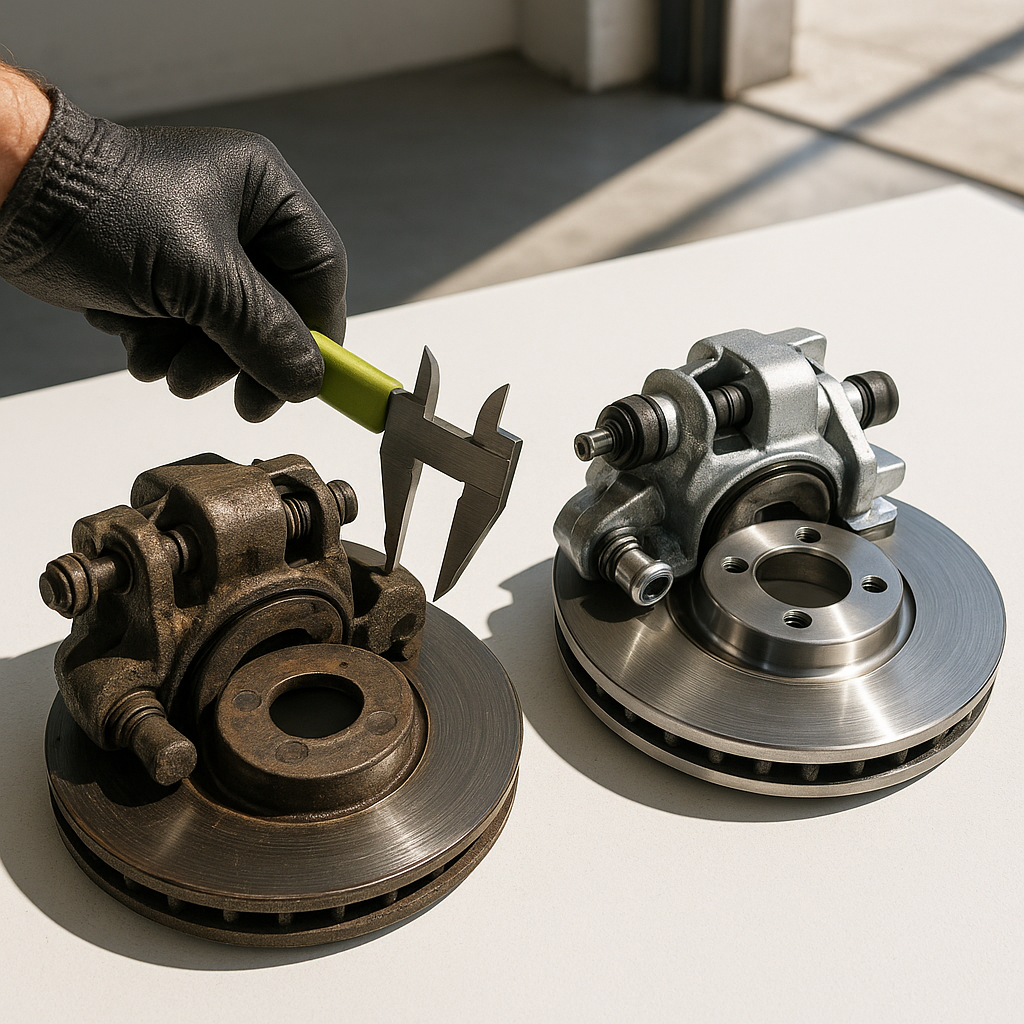
If you've worked through all of the above and the pedal still feels spongy or inconsistent, consider whether the brake drum itself might be out of round. A drum that has been overheated or machined too many times can develop enough runout that the shoes alternately contact and lose contact with the drum surface during rotation, creating a pulsing, vague feel. Have the drums measured for runout if you have access to a dial indicator, or take them to a shop for inspection. Drums that are past their minimum thickness spec or out of round beyond serviceable limits need to be replaced, not resurfaced again.
A soft brake pedal on a golf cart is almost always fixable at home with basic tools and patience. The key is being systematic — don't just replace pads or shoes and call it done without also checking the cable tension, hardware condition, and linkage. Brakes are the one system where cutting the diagnostic short isn't worth the risk.