A golf cart that lunges, stutters, or jerks when you press the accelerator isn't just uncomfortable — it's a sign something in the drivetrain or control system isn't working smoothly. The good news is that jerky acceleration tends to have a relatively short list of causes, and most of them can be identified without specialized equipment. Working through the checks below in order will help you zero in on the problem before spending money on parts.
Start With the Accelerator Pedal and Throttle Sensor
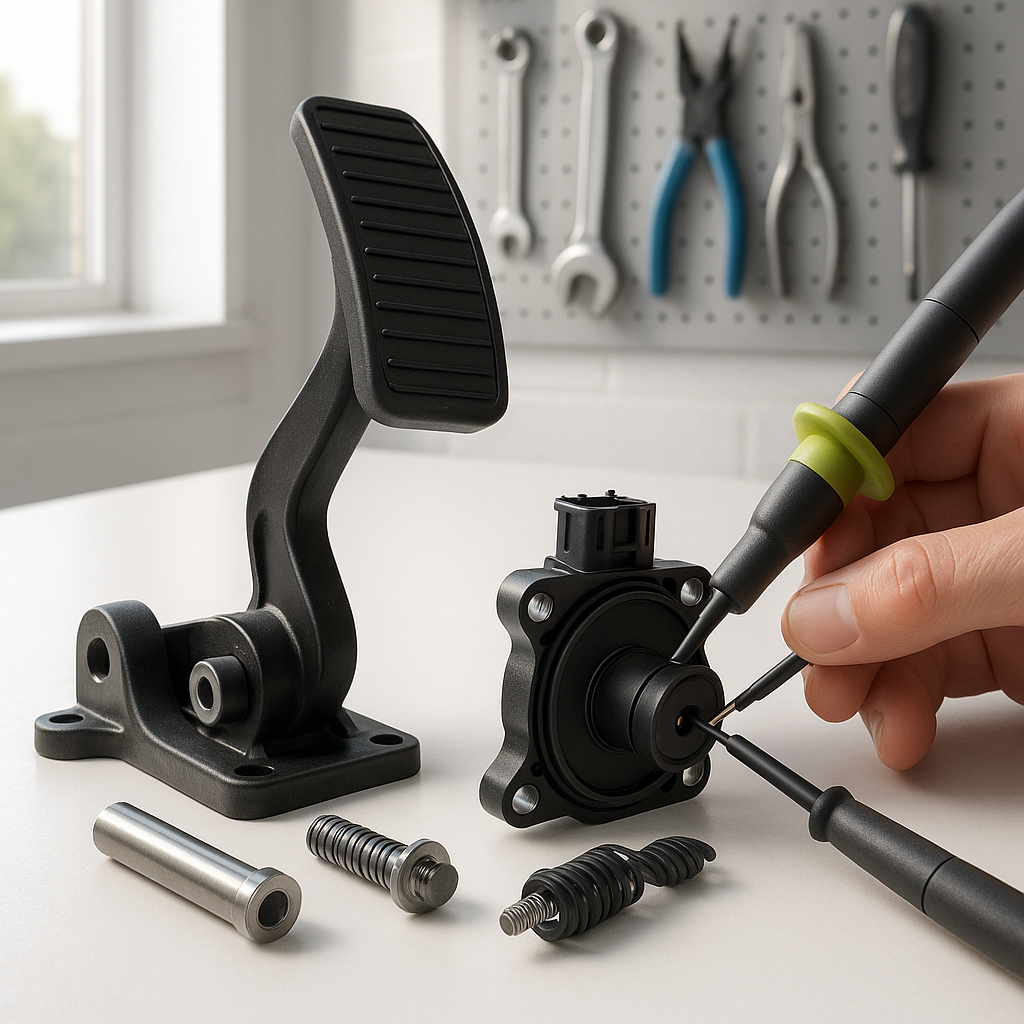
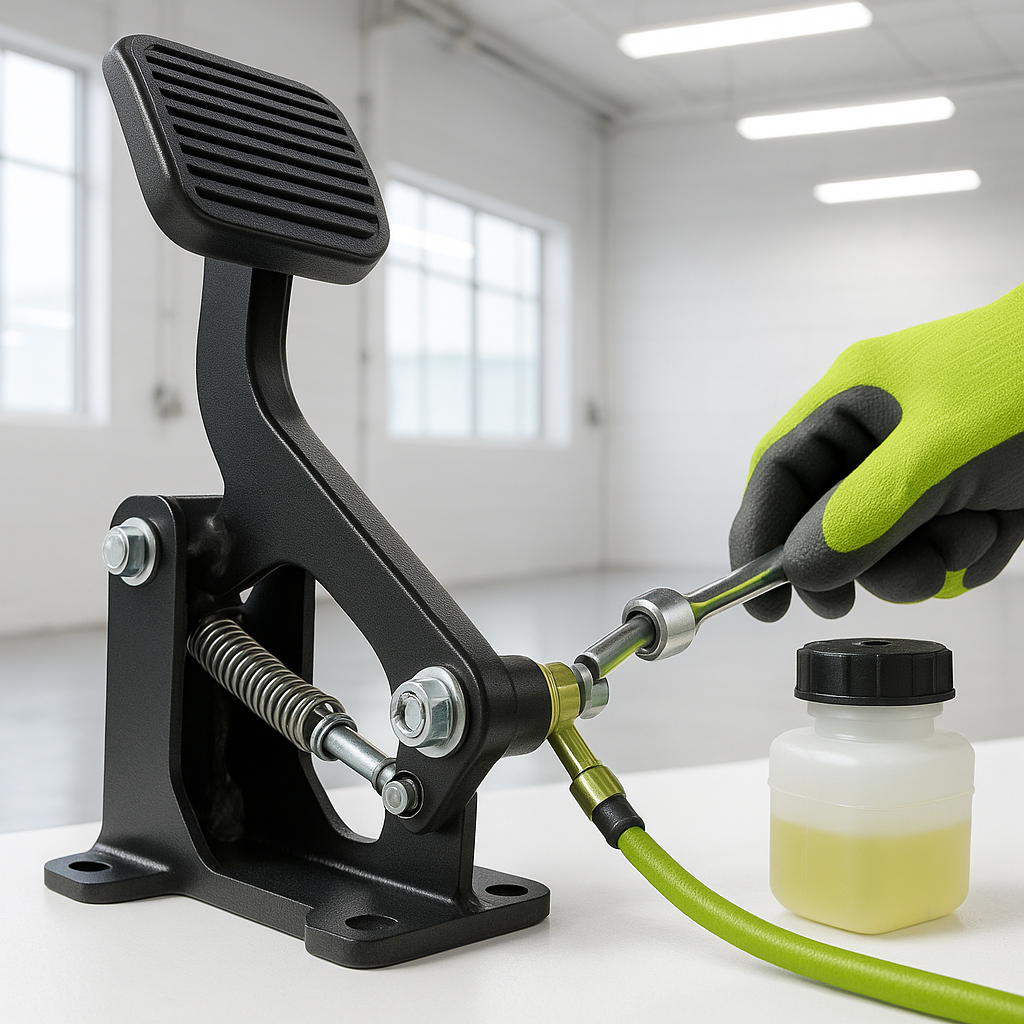
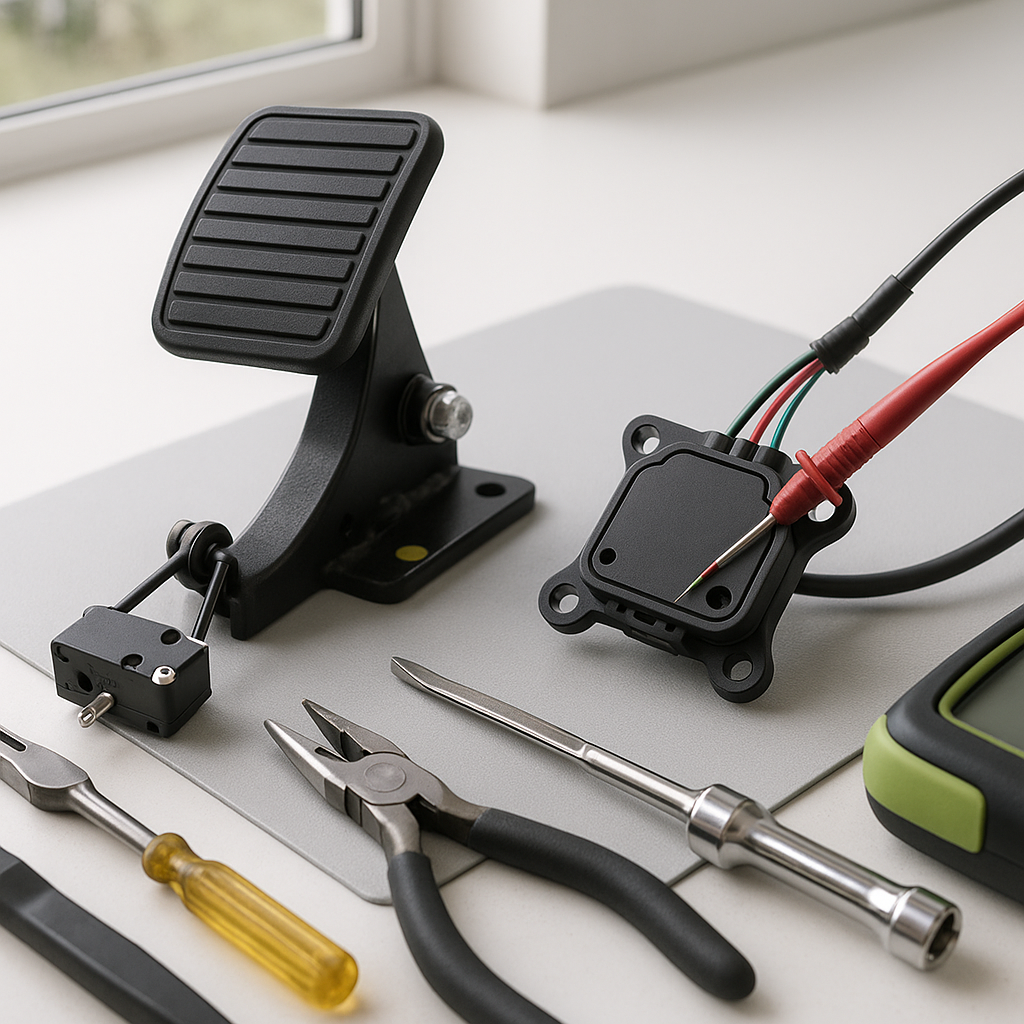
The most common cause of jerky takeoff on both electric and gas golf carts is a fault at the accelerator itself. On electric carts, the throttle position sensor (sometimes called an ITS — inductive throttle sensor — or a potentiometer depending on the cart's age and design) translates pedal position into a signal the controller uses to ramp up power. When that sensor wears out, gets dirty, or develops a dead spot, the controller receives a jumpy or inconsistent signal and responds with a lurch. Inspect the sensor for corrosion, damaged wiring, or a connector that's worked loose. On older carts with a mechanical rheostat-style throttle, check whether the wiper contact is worn or the resistance wire is corroded — these degrade gradually and cause exactly this symptom.
Check the Motor Controller and Its Connections
On electric carts, the controller is the brain that converts your throttle input into smooth power delivery. A controller that's failing internally, running on corrupted settings, or receiving a noisy input signal will produce choppy, inconsistent power output. Before assuming the controller itself is bad, inspect every connection going into and out of it — loose or corroded terminals cause voltage fluctuations that mimic a dying controller. Pay particular attention to the main battery cables and the small-gauge signal wires, which are more susceptible to corrosion. If connections are clean and tight and the problem persists, the controller may need to be tested or replaced.
Inspect the Solenoid
The solenoid acts as a high-current switch between your battery pack and the motor. A solenoid with worn or pitted contacts doesn't close cleanly — it hesitates or makes intermittent contact, which shows up as a jerk or stutter when you first accelerate. You can often hear a healthy solenoid click firmly and consistently when the cart is asked to move. A weak or inconsistent click, or a click followed by hesitation, points to a solenoid that's on its way out. This is one of the more affordable fixes in the drivetrain system and worth checking early.
Look at the Drive Belt or Clutch System (Gas Carts)
On gas-powered carts with a continuously variable transmission (CVT), the primary and secondary clutches work together to engage the drive belt smoothly as engine RPM rises. A worn, glazed, or cracked drive belt will slip and grab inconsistently, producing a very pronounced lurch on takeoff. The clutch weights and rollers inside the primary clutch can also wear unevenly or get sticky, causing the clutch to engage abruptly rather than progressively. Remove the belt cover and visually inspect the belt for cracking, glazing, or missing material. Spin the clutch sheaves by hand and feel for binding or roughness that shouldn't be there.
Check Battery Voltage and Pack Condition
On electric carts, a battery pack that can't sustain voltage under load will cause the controller to see a sudden voltage sag the moment you demand power. The controller interprets this as an abnormal condition and may cut power briefly before re-engaging — which feels like a jerk. Test each individual battery under load, not just at rest. A single weak cell in one battery can drag down the whole pack and cause this symptom. Batteries that are sulfated, old, or have cells beginning to fail will show a significant voltage drop the moment real current is drawn from them.
Don't Overlook the Motor Itself
On older electric carts with series-wound DC motors, worn brushes or a dirty commutator can cause the motor to produce inconsistent torque, especially at low speeds when the lurching is most noticeable. Remove the brush inspection covers and check brush length and condition. A commutator that's darkened, grooved, or has buildup between segments needs cleaning or professional service. Induction motors on newer AC-drive carts are less prone to this, but motor wiring and encoder feedback issues can produce similar symptoms on those platforms.
When to Seek Professional Help
If you've worked through the checks above and the jerking persists, or if you're seeing fault codes on a cart with a diagnostic display, it's time to bring in someone with a cart-specific diagnostic tool. Controllers in particular can develop internal faults that aren't visible externally and require proper testing equipment to confirm. Catching the root cause early — rather than replacing parts by guesswork — saves money and keeps the cart safe to drive.