Battery cables are one of the most overlooked components on a golf cart, yet they're responsible for carrying every amp your motor, lights, and accessories demand. A worn, undersized, or corroded cable creates resistance — and resistance means heat, power loss, and eventually a failed connection. Before you grab the cheapest set you can find, it's worth understanding what separates a quality cable from one that'll leave you stranded on the back nine.
Wire Gauge: Match It to Your System's Demands
Gauge is the single most important spec to get right. Thicker cables (lower AWG numbers) carry more current with less resistance and heat buildup. Golf carts — especially 48V systems or any cart running upgraded motors, heavy accessories, or aftermarket controllers — generally need heavier gauge cable than the factory minimum. If you're replacing stock cables, match or exceed the original gauge. If you've upgraded your drivetrain or added significant electrical loads, stepping up in gauge is a worthwhile investment. Never downsize from what came on the cart originally.
Conductor Material: Pure Copper vs. Copper-Clad
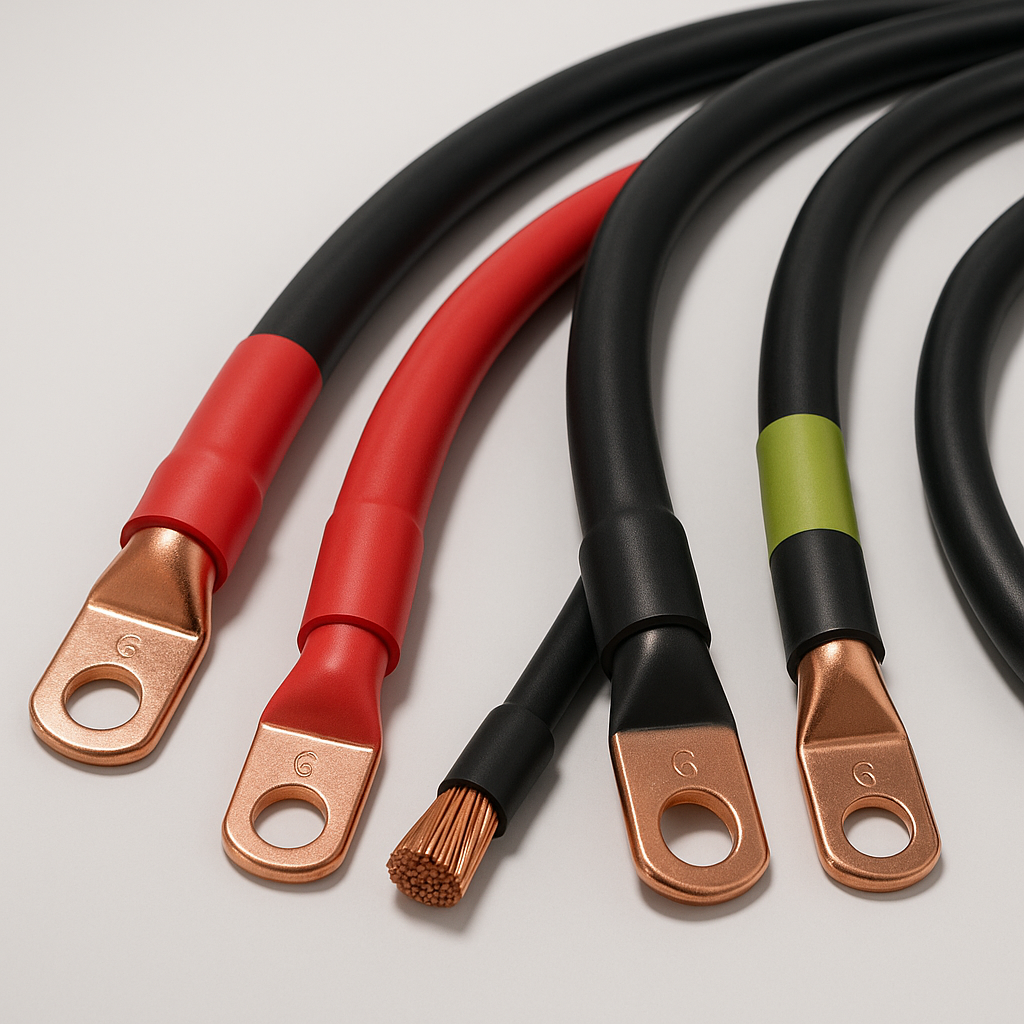
The conductor inside the cable matters as much as the size. Pure copper offers the best conductivity and resists corrosion better than aluminum-core or copper-clad alternatives. Tin-plated copper conductors take this a step further — the tin coating adds a meaningful layer of corrosion resistance, which is particularly valuable in humid environments, coastal areas, or carts that sit outdoors. When comparing cables, look for language like "pure copper" or "tin-plated copper stranded" rather than vague terms like "high conductivity." The difference shows up over years of use, not days.
Insulation and Jacket Quality
The outer jacket protects the conductor from abrasion, moisture, UV, and heat. Look for thick, flexible insulation that won't crack in cold weather or become brittle over time. A stiff cable is harder to route cleanly and puts stress on terminal connections every time the cart vibrates. Flexibility also matters during installation — cables that have to make tight bends under the seat or around battery trays are much easier to work with when the jacket is supple. Check that the insulation is rated for outdoor and automotive use, not repurposed general-purpose wire.
Terminal Type, Crimping, and End Connections
How the cable terminates is just as critical as the cable itself. Ring terminals should be solidly crimped or soldered to the conductor — not just pressed on. Look for terminals with appropriate hole sizing for your battery post hardware, and check that the metal is heavy enough not to deform under torque. Some cables come with heat-shrink tubing over the terminal end to seal out moisture; this is a practical feature worth having, especially if you're not adding your own protection. Loose or undersized terminals are a common source of voltage drop and heat buildup at the connection point.
Universal vs. Cart-Specific Fitment
Battery cables come in two broad categories: universal-length cables you cut or adapt to fit, and cart-specific cables pre-cut and terminated for a particular make, model, and voltage configuration. Specific-fit cables are easier to install correctly and remove guesswork about length and terminal placement. Universal cables offer more flexibility if you have a custom battery layout or a cart that doesn't have a dedicated option available. Either way, measure your existing cable runs before ordering — a cable that's even a few inches too short can put tension on the terminal connections, which leads to early failure.
Complete Sets vs. Individual Cables
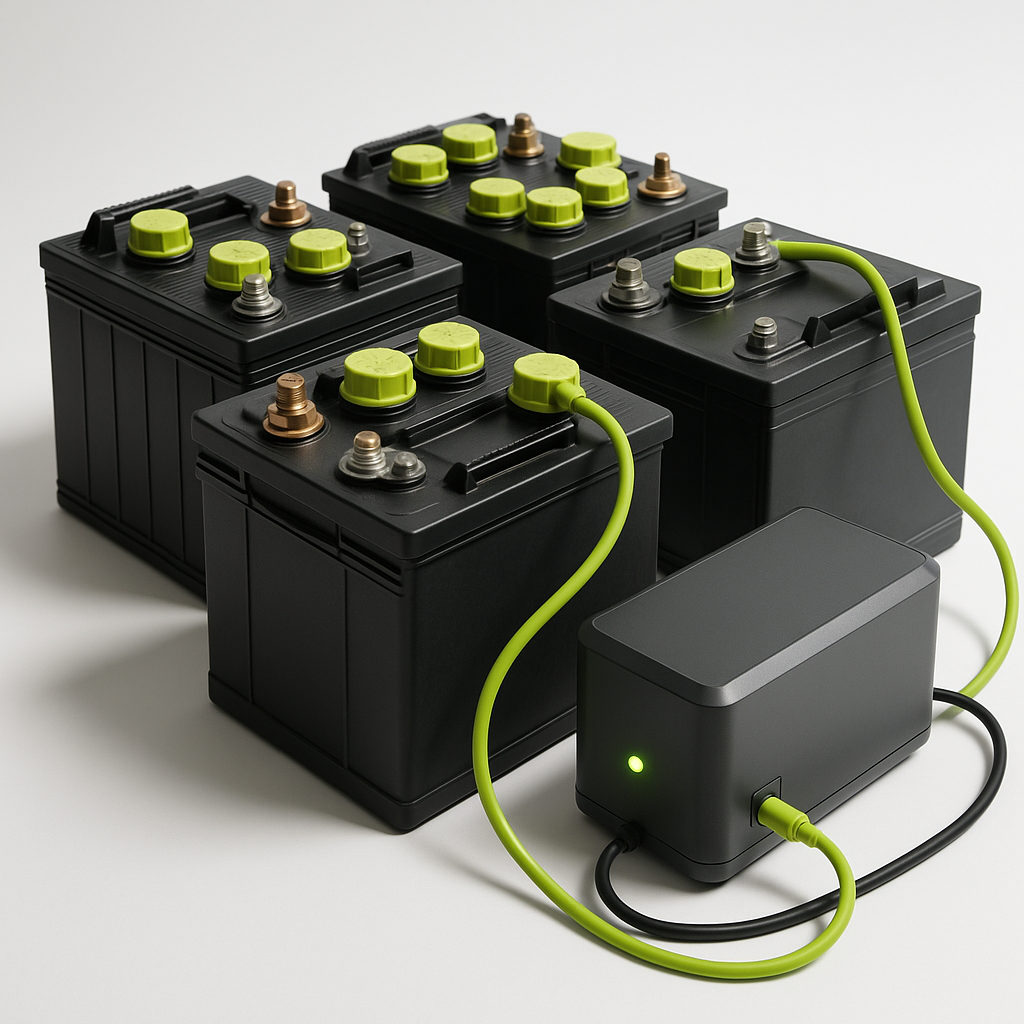
Golf cart battery packs are wired in series, which means the system is only as strong as its weakest cable. If one cable is visibly corroded or damaged, the rest are likely in similar shape. Buying a full replacement set ensures consistent conductor quality and gauge throughout the circuit, and it's usually more cost-effective than replacing individual cables one at a time as they fail. If you're doing a battery replacement or a full electrical refresh, plan to replace the cable set at the same time rather than mixing old and new.
What to Check Before You Buy
Before adding any battery cable set to your cart, confirm your cart's voltage system, note the battery tray layout and approximate cable run lengths, and verify your battery post type (top-post vs. side-post). Cross-reference the cable's rated gauge and length against your existing setup. If the listing doesn't clearly state conductor material, terminal construction, and cable gauge, that's a red flag — quality manufacturers are transparent about these details because they matter. A good battery cable isn't glamorous, but getting this right is foundational to everything else on your cart performing the way it should.