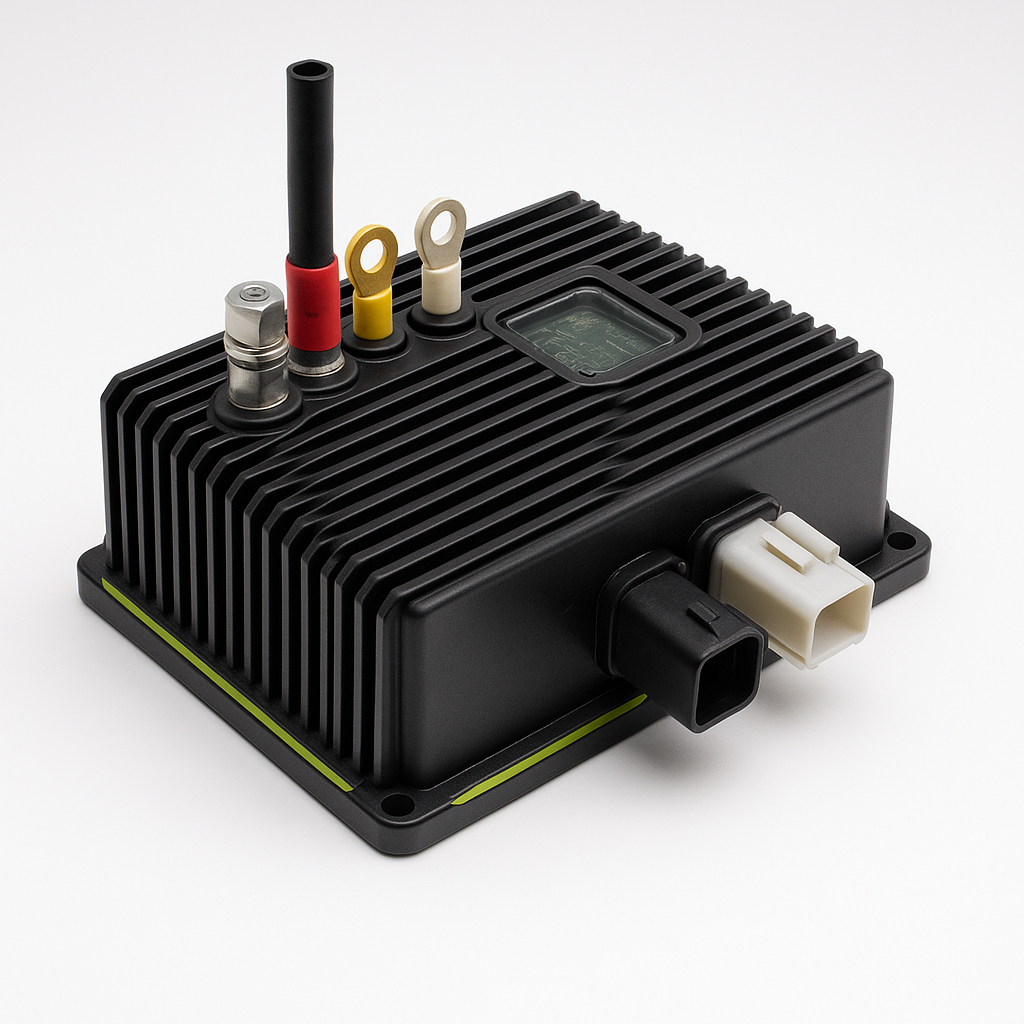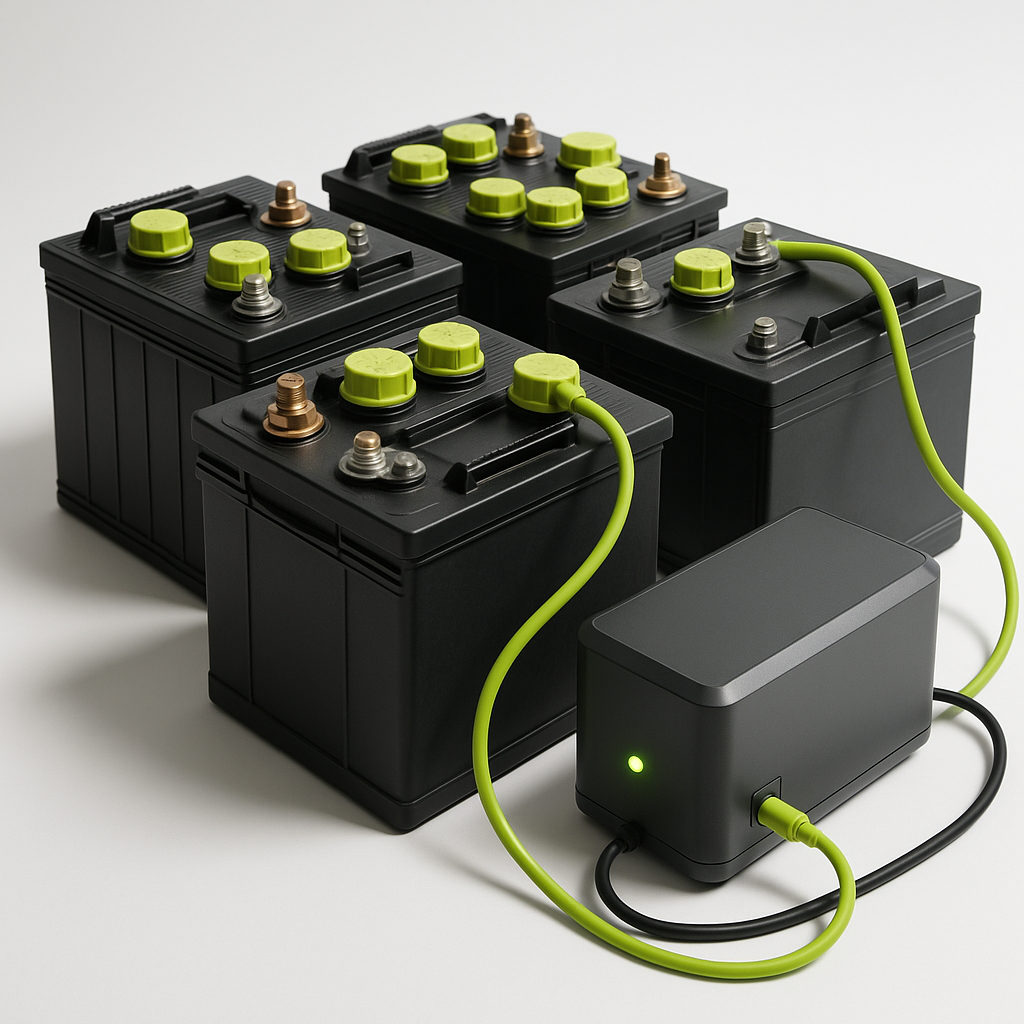
Golf cart batteries and chargers are the heart of your electrical system, and buying the wrong ones is an expensive mistake. Whether you're replacing worn-out components or upgrading a neglected cart, evaluating these products carefully before purchasing saves you from dead-end purchases, damaged packs, and potential safety hazards. Here's what actually matters when you're shopping this category.
Start With Your Voltage System
The single most important spec is your cart's system voltage — typically 36V or 48V, though some older or specialty carts differ. Every battery, charger, and major cable in your system must be matched to this voltage. Mixing components rated for different voltages is a serious safety risk, not just an inconvenience. Before buying anything, confirm your system voltage by counting your batteries and checking their individual voltage ratings, or consulting your cart's documentation. A 36V charger on a 48V pack won't charge properly and can damage both the charger and the batteries.
Know Your Make, Model, and Year
Golf cart electrical components are not universally interchangeable. EZGO, Club Car, and Yamaha each use different charging port styles, plug configurations, and cable routing. Even within a single brand, fitment can change across model years — a cable or charger plug designed for an EZGO TXT may not physically fit or function correctly on an RXV. Always verify the make, model, and year of your cart before purchasing cables, charger cords, or charger units. Manufacturers and reputable parts suppliers list compatibility explicitly; if a listing is vague about fitment, treat that as a red flag.
Evaluating Battery Cables
Battery cables are often overlooked, but corroded, undersized, or poorly terminated cables cause voltage drop, slow charging, heat buildup, and premature battery wear. When evaluating cables, look for adequate gauge wire for your application — undersized wire generates resistance and heat under load. Check that terminals are properly crimped or soldered, not just pinched, and that the terminal material is appropriate (tinned copper is more corrosion-resistant than bare copper in wet or exposed environments). For model-specific cables, confirm the length and terminal configuration match your battery tray layout. Universal cables can work, but you may need to verify length and terminal type carefully before buying.
Evaluating Chargers
A charger must match your battery pack's voltage exactly, and ideally it should also be compatible with your battery chemistry. Flooded lead-acid batteries, AGM batteries, and lithium packs each have different charge profiles. Using a charger designed for flooded lead-acid on a lithium pack — or vice versa — can overcharge, undercharge, or damage your batteries. Look for chargers with automatic shutoff once charging is complete; leaving a simple non-automatic charger unattended on a finished pack is a fire and safety risk. Also confirm the charger plug style matches your cart's receptacle — the DC plug configuration varies between brands and model generations.
Check What's Included
Some charger and cable listings include everything needed for installation; others are the component only. For chargers, check whether the DC output cord and plug are included or sold separately — this matters because the plug must match your specific cart's inlet. For cables, confirm terminal hardware is included if needed. Knowing what's in the box prevents a situation where you're waiting on a second order before you can get the cart running.
Quality and Safety Markers
In the battery and charger category, cheap construction carries real risk. For chargers, look for units with thermal protection, overcharge protection, and short-circuit protection — these aren't luxury features, they're basic safety requirements for anything connected to a battery bank. For cables, avoid any product where the insulation looks thin, the terminals feel loose, or the crimps show uneven compression. Spend a few minutes reading feedback from verified buyers who have used the product on the same cart make and model — real-world fitment and durability feedback is more reliable than spec sheets alone.
Taking the time to verify voltage, fitment, and build quality before purchasing batteries, chargers, and cables is straightforward work that pays off immediately. These are the components your cart depends on every single use — getting them right the first time is always worth it.