A brake cable that's stretched, frayed, or seized is one of those problems that sneaks up on you. The cart still moves, so it doesn't feel urgent — but a parking brake that won't hold on a slope is a real safety hazard, and a cable that won't release fully causes your rear brakes to drag constantly, wearing out shoes and drums far faster than normal. Here's how to work through the diagnosis systematically.
Understand What the Cable Does
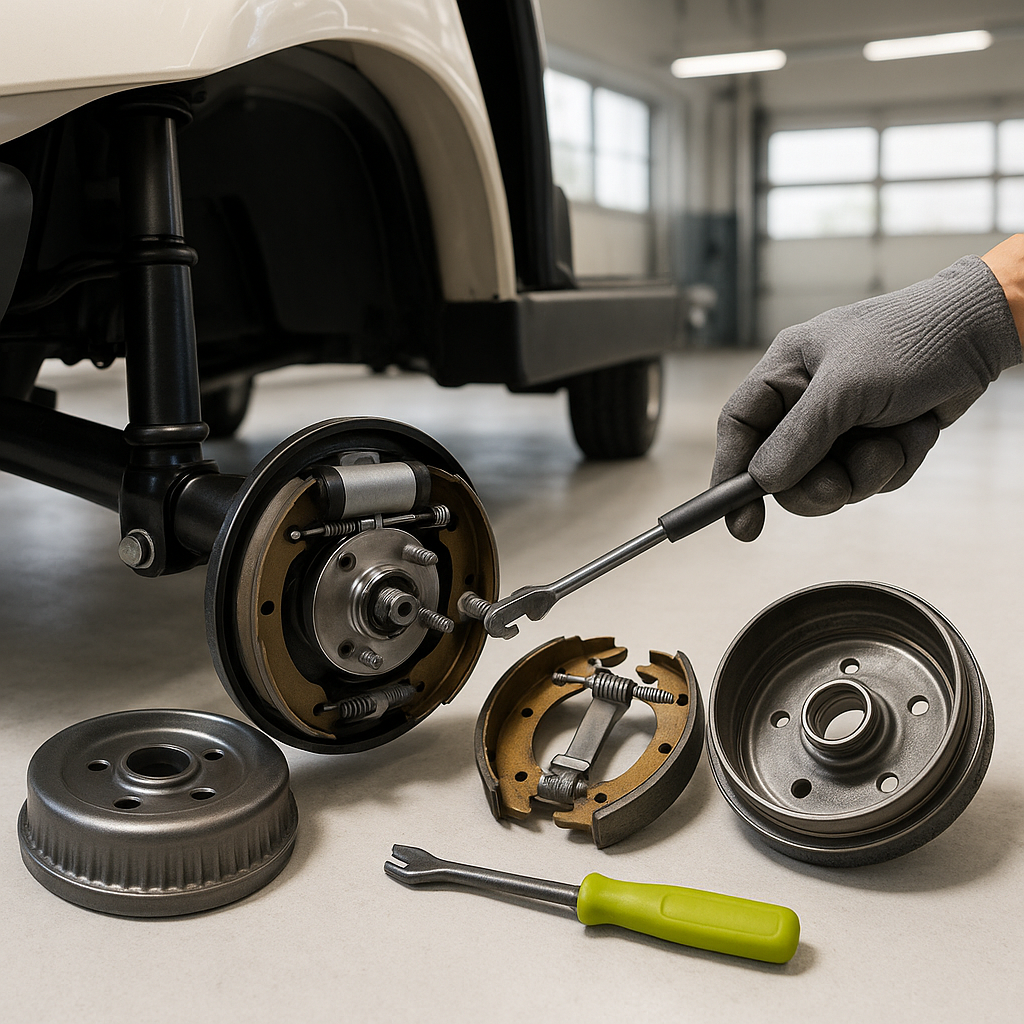
On most golf carts, the parking brake system uses a mechanical cable that runs from the brake pedal or a hand lever down to the rear brake assemblies. When you engage the brake, the cable pulls on actuating arms at each rear wheel, pressing the shoes against the inside of the drum. When you release it, spring tension should pull everything back to a neutral, fully open position. Problems happen at both ends — at the actuating mechanism and at the drum end — as well as anywhere along the cable's length where it can kink, fray, or corrode inside its housing.
Check Whether the Brakes Are Actually Dragging
Jack up the rear of the cart safely and support it on stands. Spin each rear wheel by hand with the parking brake fully released. The wheel should spin freely with minimal resistance. If it's stiff, drags noticeably, or stops quickly on its own, that wheel's brake is not releasing all the way. Do both sides — it's common for one side to drag more than the other, especially if the cable has uneven tension or one return spring is weaker than the other.
Inspect the Cable for Visible Damage
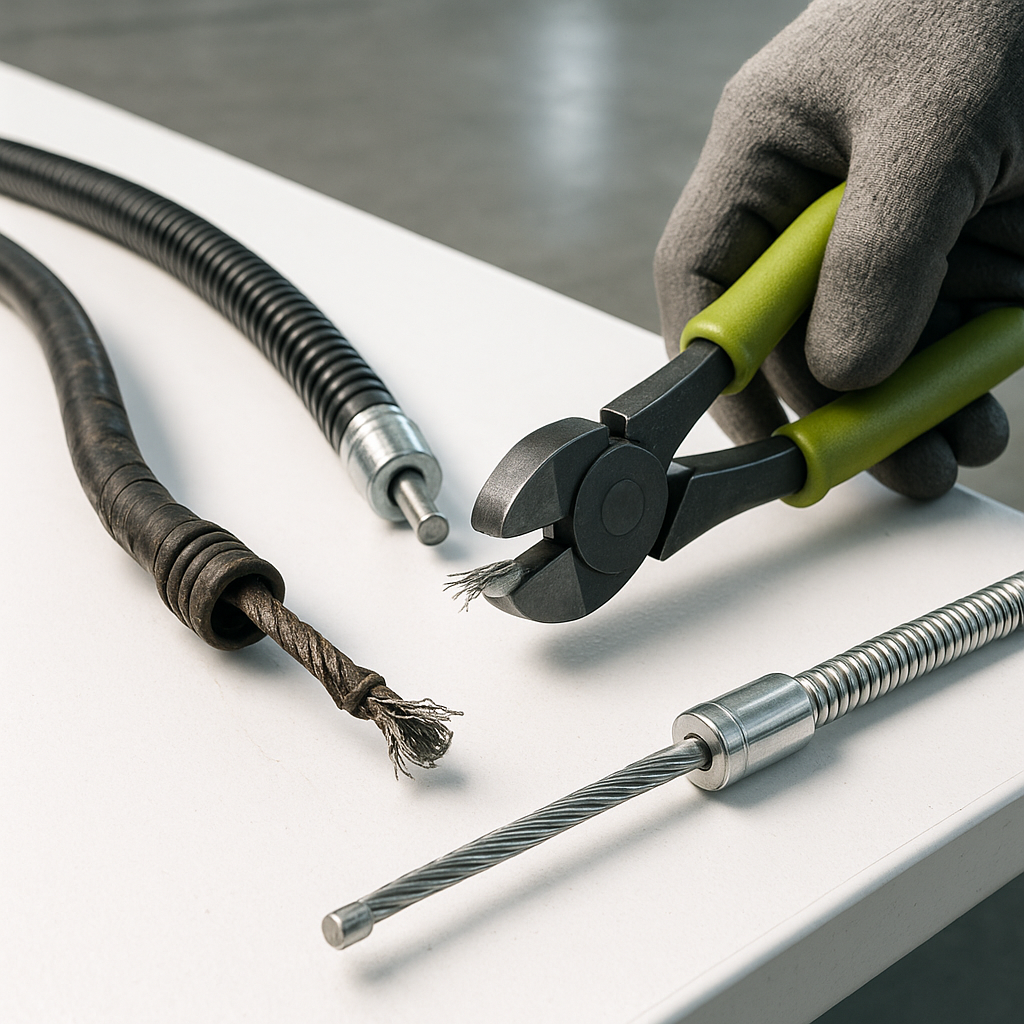
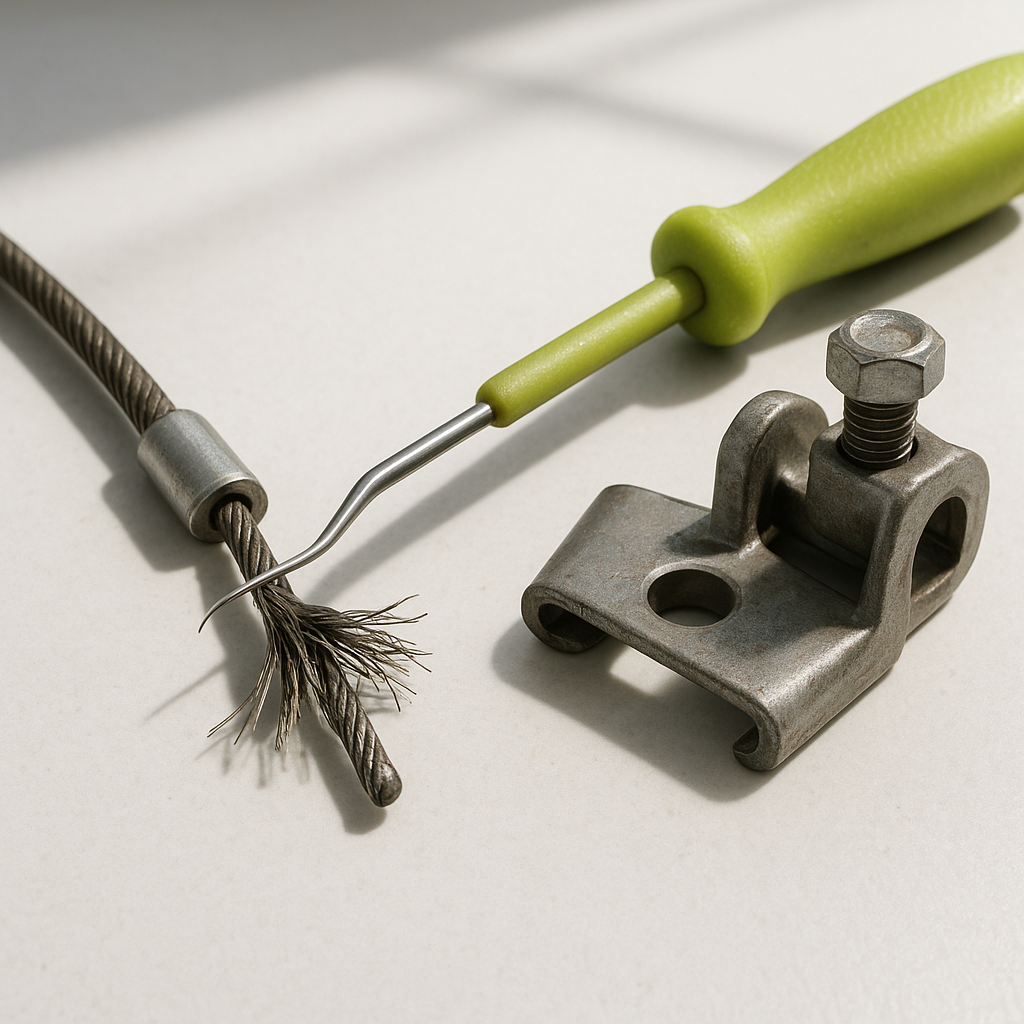
Trace the cable from the pedal or lever to where it terminates at the rear brakes. Look for kinks in the cable, fraying where the cable exits its housing, rust or corrosion along exposed sections, and housing that's cracked, crushed, or separated from its end fittings. Even a small kink can cause the cable to bind inside the housing rather than sliding freely. A frayed cable near a termination point is a failure waiting to happen and should be replaced before it snaps entirely.
Check Cable Tension and Adjustment
Most golf cart brake cables have an adjustment point — often a threaded rod with a nut near the equalizer or at the drum end — that lets you set how much travel is required to engage the brakes and ensure both sides pull evenly. If the cable has stretched over time, the pedal or lever may need to travel much further before the brakes actually engage, or the parking brake may not hold at all even when fully set. If you've already adjusted the cable to its limit and it still won't hold, the cable itself is too stretched to function correctly and needs replacement. Over-tightening to compensate is a common mistake — it can cause constant dragging and premature shoe wear.
Check the Return Springs at the Drum
The brake cable doesn't work alone. At the drum end, return springs are responsible for pulling the actuating arm and brake shoes back to the released position when cable tension is removed. If a return spring is weak, broken, or has come unhooked, the brake may drag even with a perfectly good cable. While you have the drums accessible, inspect the springs visually. A spring that looks stretched, discolored from heat, or is clearly broken is the source of your problem, not the cable — and replacing a spring is a much simpler fix.
Test the Cable for Binding in Its Housing
With the cable disconnected at the drum end, have someone slowly engage and release the brake pedal or lever while you watch the cable move. It should slide in and out of the housing smoothly with no hesitation or sticking. If you feel resistance or the cable barely moves despite the pedal being fully depressed, the cable is binding inside its housing — usually from corrosion, a kinked housing, or a collapsed liner inside the sheath. A cable in this condition won't respond reliably to brake input and needs to be replaced rather than lubricated and hoped for.
When to Replace vs. Adjust
Adjustment handles slack from normal cable stretch and is part of routine maintenance. But there are situations where replacement is the only right answer: visible fraying or broken strands anywhere on the cable, a kink in the cable or housing that can't be straightened, corrosion that causes binding even after lubrication, or a cable that's been adjusted to its maximum limit and still doesn't provide adequate braking force. Brake cables are not expensive parts, and given what they're responsible for — keeping your cart parked safely on any incline — replacement is almost always the right call when there's any doubt about cable integrity.