A vibrating or blurry golf cart mirror is easy to dismiss as a minor nuisance, but it genuinely undermines your situational awareness — especially at higher speeds, on paths with foot traffic, or when reversing around equipment. The good news is that the root causes are almost always mechanical and diagnosable without special tools. This guide walks through the most common culprits in order of how likely and easy they are to find.
First, Separate Mirror Vibration from Cart Vibration
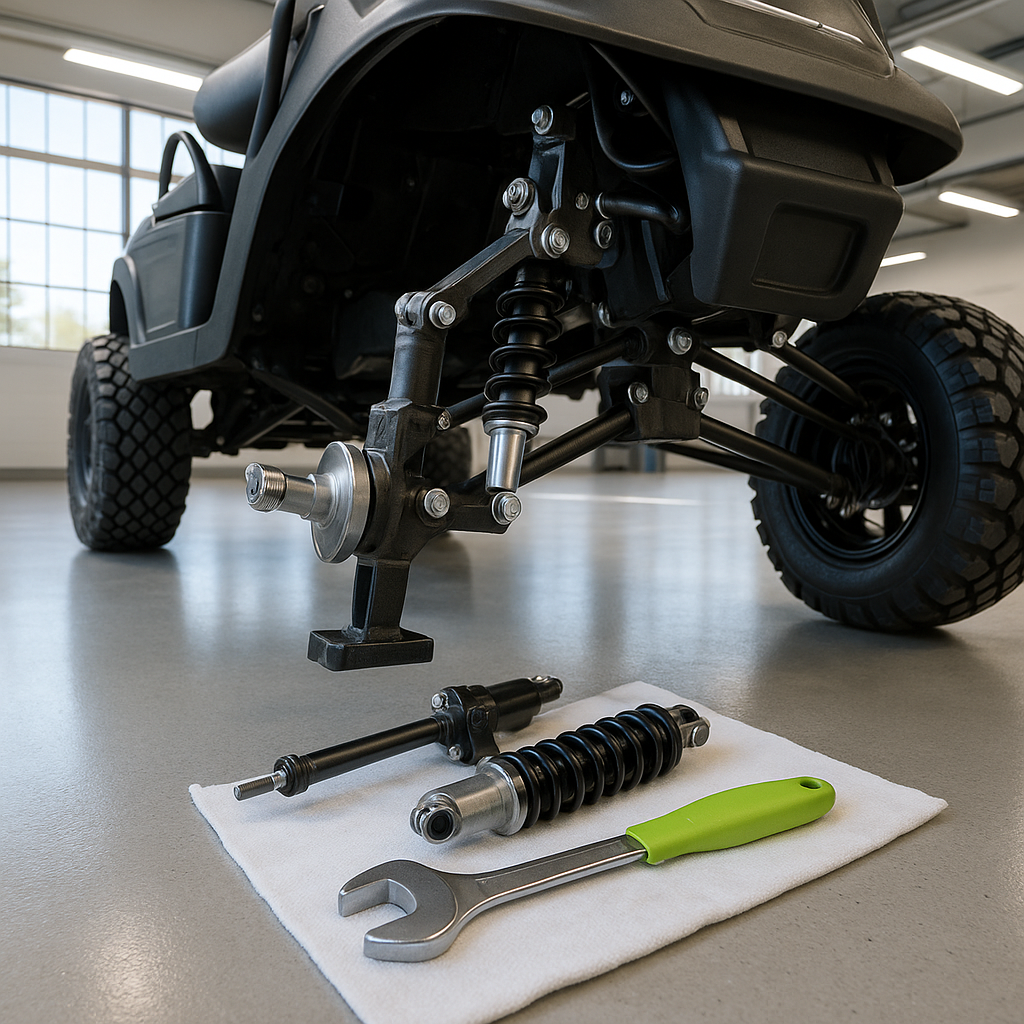
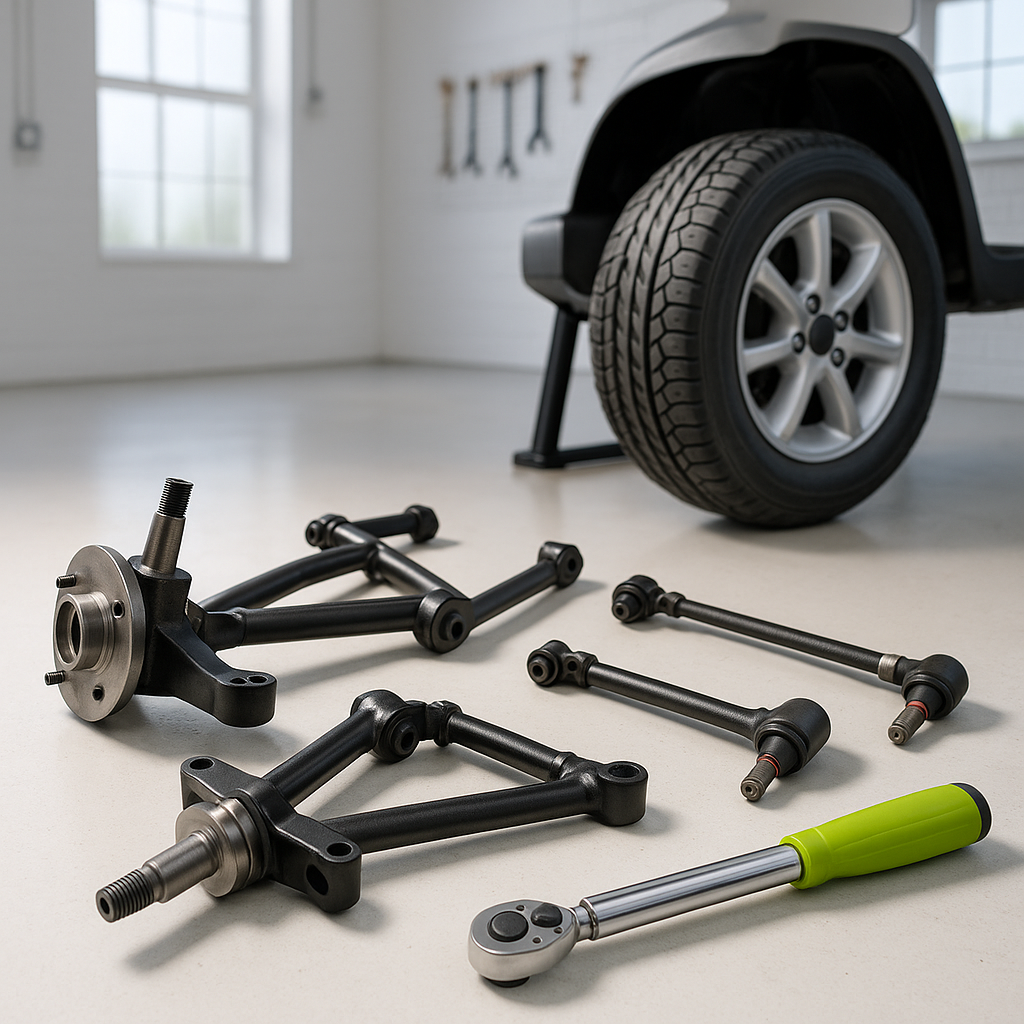
Before you touch the mirror itself, rule out whether the problem is the mirror or the cart. Park on a flat surface and push down firmly on the front of the cart, then let it bounce. Watch the mirror. If it shakes dramatically even during this gentle test, the mount is almost certainly the issue. If the mirror stays relatively steady but shakes badly while driving, the cart itself may have a wheel balance, tire pressure, or suspension issue causing vibration that the mirror is just amplifying. A loose or cupped tire, an out-of-balance wheel, or a worn front suspension component will send vibration straight up through the frame and into any accessory mounted to the roof or windshield frame. Fix the cart vibration first — no mirror adjustment will solve a mechanical vibration problem at the source.
Check the Mount Hardware
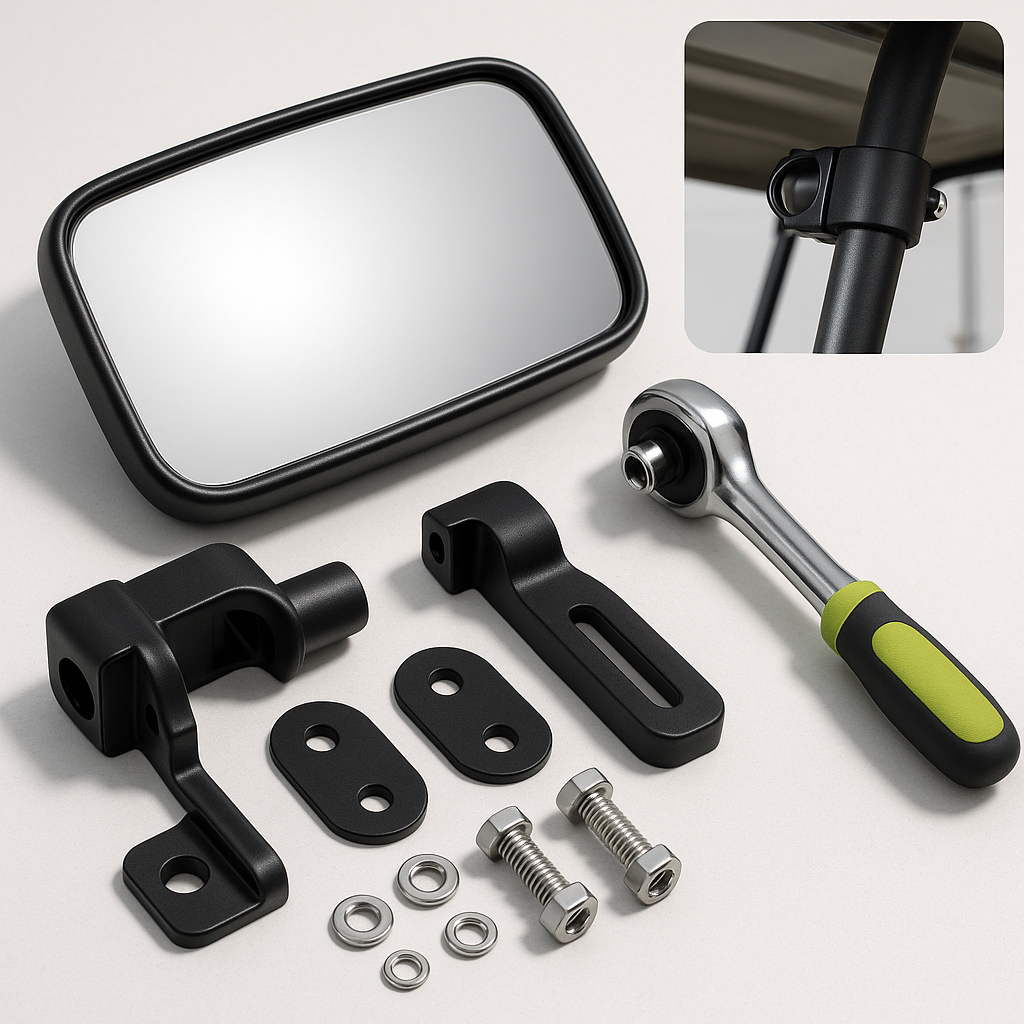
The single most common cause of mirror vibration is loose mounting hardware. Over time, the bolts, clamps, or brackets that attach the mirror to the cart loosen from constant road vibration. Start by physically gripping the mirror base and trying to wiggle it in every direction — side to side, forward and back, and rotationally. Any movement you can feel by hand is movement that will look extreme in the mirror image while driving. Tighten every fastener at the mount point, working from where the bracket contacts the cart frame outward toward the mirror head. On clamp-style mounts that grip a roll bar or roof strut, check that the clamp is biting into the tube firmly and not slipping. Aluminum clamps in particular can deform slightly over time and lose their grip even when the bolt appears snug.
Inspect the Mirror Arm or Stem
Many golf cart mirrors use a multi-section arm or an articulating stem to position the mirror where you need it. Each joint in that arm is a potential vibration point. Work along the arm joint by joint, tightening any adjustment knobs or set screws you find. If an arm joint has worn smooth — meaning it no longer holds its adjusted position with any real resistance — the arm itself may need to be replaced. A worn pivot point cannot be fixed by tightening alone; the friction surface inside the joint is gone. This is also worth checking if the mirror holds position fine when the cart is stationary but drifts during driving, which is a slightly different symptom but comes from the same worn-joint cause.
Look at Where the Mount Contacts the Cart
The interface between the mirror mount and the cart surface matters a lot. Mounts that clamp onto round tubing can rotate or creep if the tube diameter isn't a close match to the clamp size — the clamp grips the tube at two points but rocks between them. If you see the clamp sitting slightly cocked on the tube, or if tightening the bolt doesn't seem to firm things up, the clamp may be sized for a different tube diameter than what your cart has. In that situation, a thin rubber shim wrapped around the tube before clamping can take up the gap and dramatically reduce vibration. Similarly, mounts that bolt directly to flat surfaces need a solid surface beneath them — if the mounting surface itself flexes (a thin plastic roof panel, for example), the mirror will bounce regardless of how tight the hardware is.
Check the Mirror Head Itself
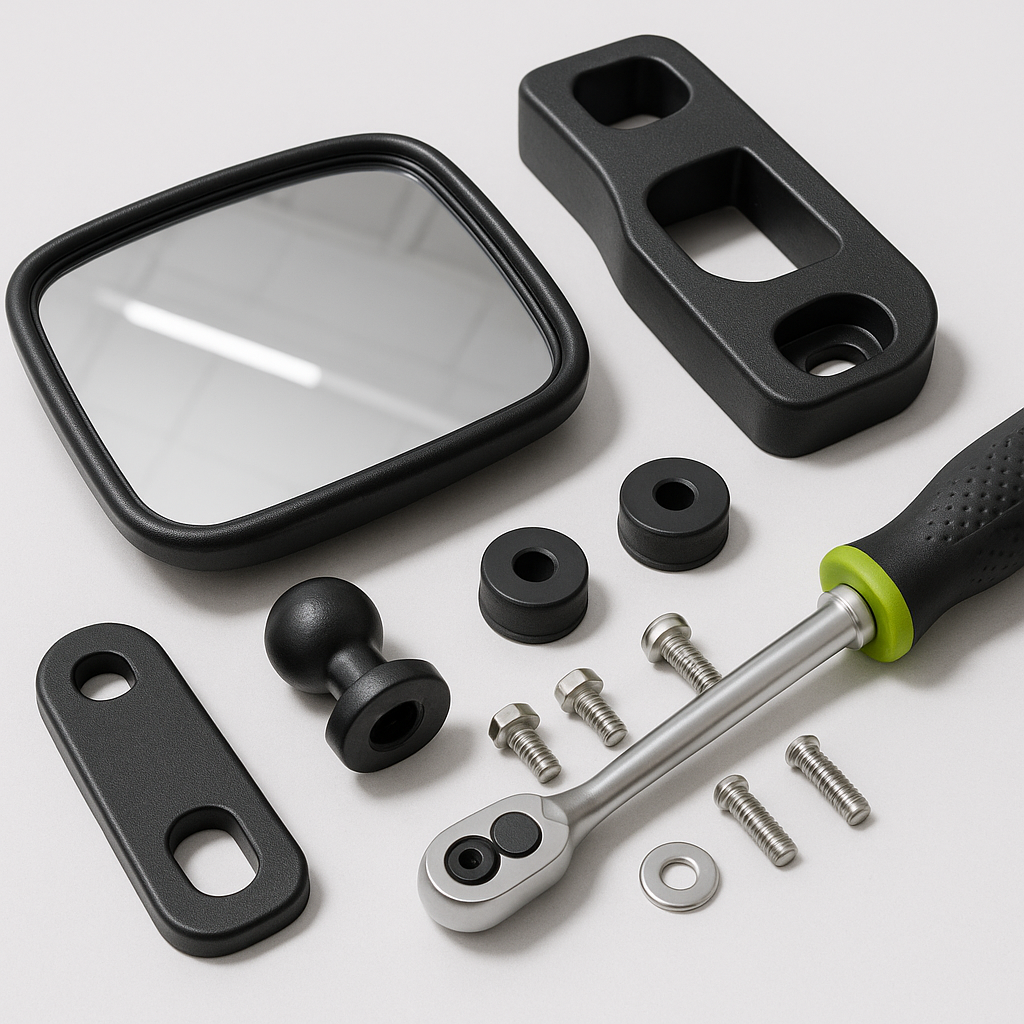
Once you're confident the mount and arm are solid, look at the mirror glass and its housing. The mirror head attaches to the arm at a pivot or ball joint that allows you to angle it. If that pivot is loose, the head will vibrate independently of everything else. Try gripping just the mirror housing and rocking it relative to the arm — you shouldn't feel any slop. Tighten the adjustment mechanism if it has one. Some mirror heads use a friction ball-and-socket design where a single bolt through the center controls the tension; snugging that bolt up can restore a firm hold. If the mirror glass is loose inside its housing — rattling when you tap it — the glass retaining clips or adhesive backing may have failed, which is a separate issue from mount vibration but produces a similar symptom.
When Vibration Is Normal but Still Annoying
Some amount of image movement in a golf cart mirror is expected on rough surfaces — these aren't precision vehicles with vibration-damped suspensions. If you've confirmed all hardware is tight and the cart itself has no mechanical issues, but the mirror image still shakes on bumpy terrain, the practical solution is a wider or longer mirror that gives you a broader field of view, so small oscillations matter less, or a mirror mounted closer to the cart's center of gravity where vibration amplitude is lower. Repositioning a mirror from a wingtip location to a center-mounted position above the windshield, for example, often reduces noticeable vibration significantly simply because that location moves less during travel.
Working through these checks in order — cart vibration, mount hardware, arm joints, mount-to-cart interface, then the mirror head itself — will isolate the real cause in most cases. A mirror that stays put and shows a clear image isn't a luxury; it's basic awareness of what's behind and beside you, and it's worth taking the twenty minutes to get it right.