If your golf cart drifts or pulls toward one side when you press the brakes, don't chalk it up to the terrain. Brake pull almost always means one side of the braking system is doing more work than the other — either one side is gripping too hard, or the other isn't gripping enough. It's a straightforward physics problem, but it can have several different root causes, and the fix depends on correctly identifying which one you're dealing with.
Start With the Obvious: Tire Pressure and Wheel Condition
Before diving into the brake system itself, rule out the cheap and easy stuff. Unequal tire pressure between the left and right front wheels can cause the cart to track unevenly under braking load. Check both tires and bring them to the same pressure. Also look at the wheels for any obvious damage — a bent rim or a wheel that isn't seating flush can contribute to pull that gets amplified when you brake. If tires and wheels check out, the problem is almost certainly in the brakes themselves.
Inspect the Brake Drums and Shoes on Both Sides
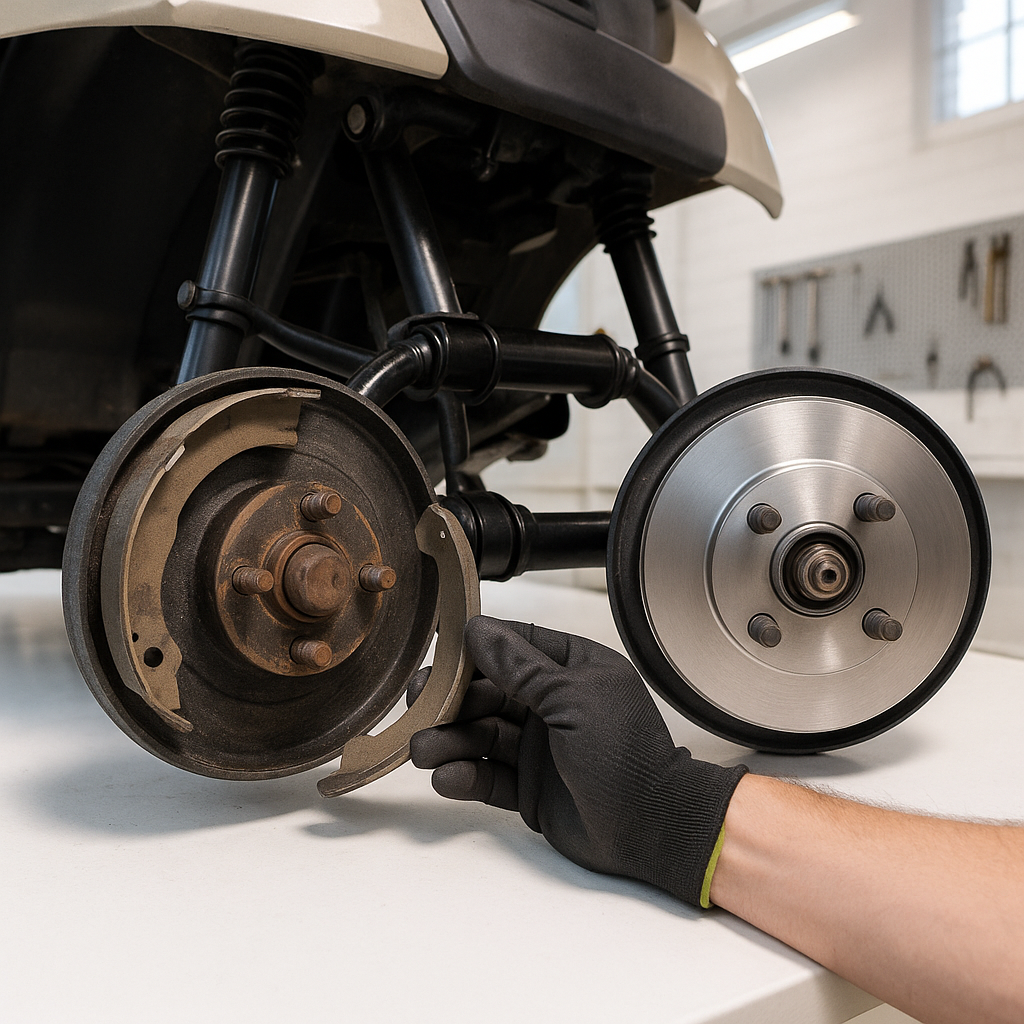
Most golf carts — especially older EZGO and Club Car models — use drum brakes on the rear wheels. Drum brakes rely on brake shoes pressing outward against the inside of a drum. If one drum is worn thinner than the other, or if one set of shoes has significantly more wear, the friction surfaces are mismatched and one side will grab harder. Pull both rear wheels and visually compare the drums and shoes side by side. Look for scoring, glazing, or uneven wear on the shoe linings. If one side looks significantly more worn or the drum surface looks grooved on one side and clean on the other, you've likely found your problem.
Check for Contamination
Oil, grease, or water on a brake shoe lining will dramatically reduce friction on that side — causing the opposite side to pull harder under braking. This is one of the more common causes of brake pull on carts that have had recent axle or wheel bearing work, where grease may have migrated onto the drum or shoe surface. Any contaminated shoe lining should be replaced, not cleaned — solvents don't fully restore a contaminated lining's friction characteristics and the problem will return.
Check the Brake Cable Tension and Adjustment
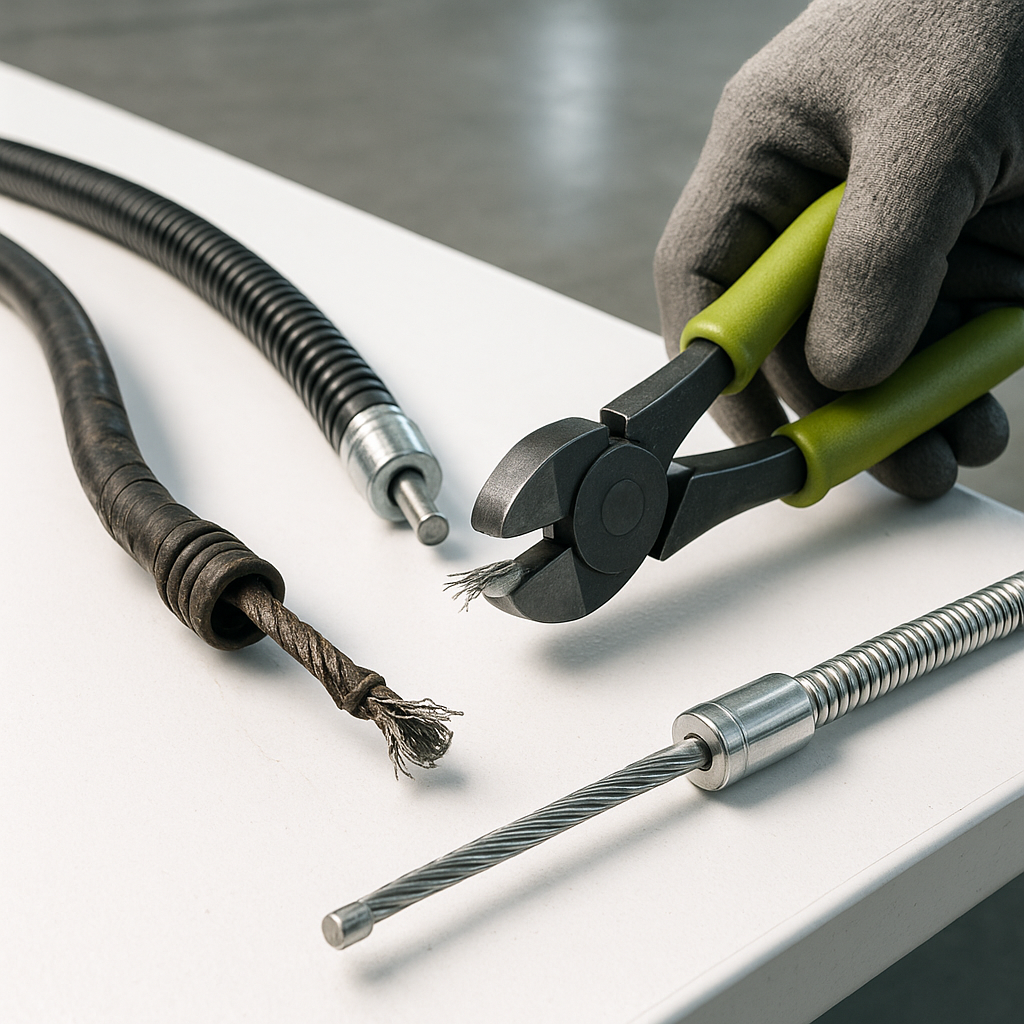
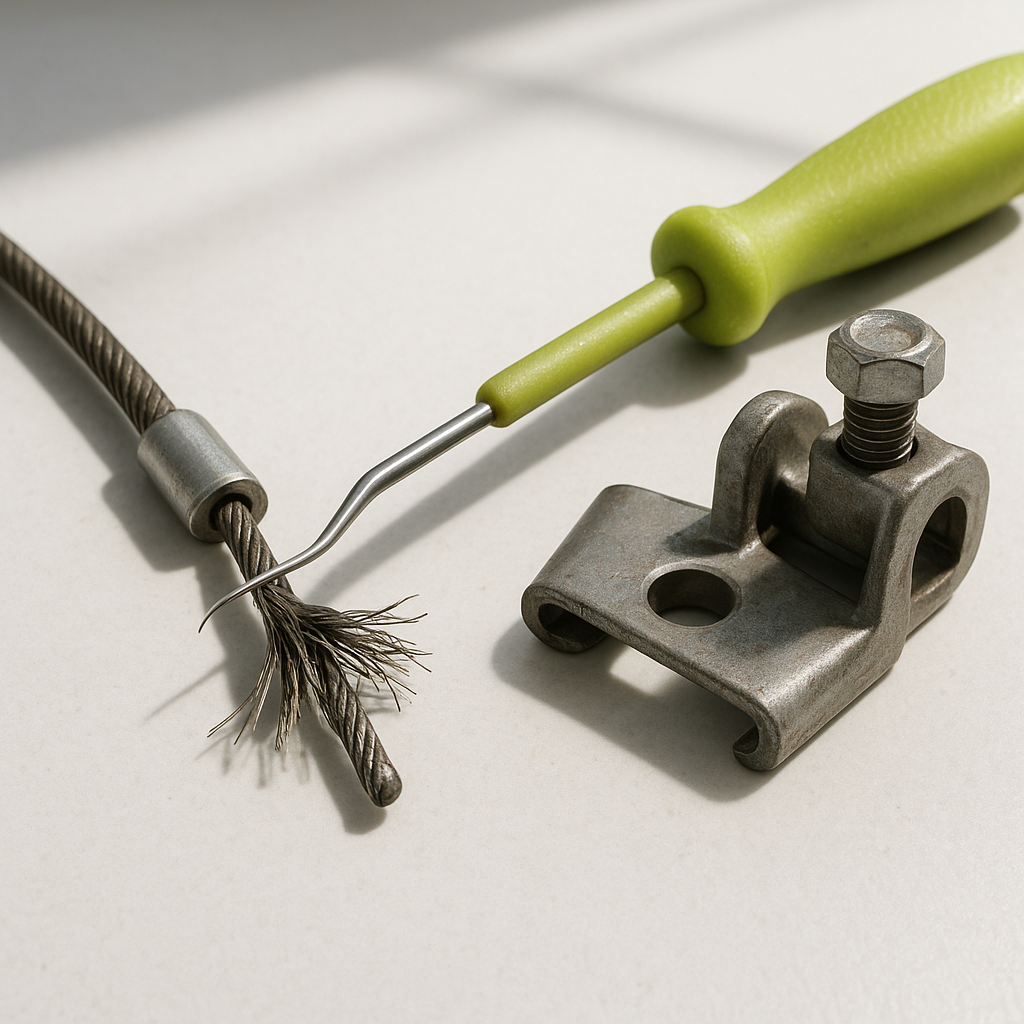
On cable-actuated drum brakes, each rear wheel is typically operated by its own cable or cable branch. If one cable has stretched, frayed, or is routed with more friction than the other, it won't pull its brake shoe assembly with the same force. Trace both cables from the pedal linkage to each wheel. Look for kinking, fraying, or sections where the cable housing is cracked or compressed. Then check the adjustment at each wheel — if one side's cable has more slack, that wheel is engaging later and softer than the other. Many drum brake systems have an adjuster at the wheel that lets you fine-tune cable tension, and getting both sides equal is critical to straight braking.
Look at the Brake Drum Itself for Warping or Out-of-Round Wear
A drum that has become oval or out-of-round due to heat cycling or age won't apply even pressure as the shoes contact it during a stop. This can cause a pulsing sensation alongside the pull, or a pull that changes depending on how hard you're braking. You can get a rough idea by spinning the drum by hand with the shoes backed off — any wobble or rough spot that you can feel is a sign the drum may need to be turned on a lathe or replaced. If a drum is already at or near its minimum thickness, replacement is the safer call.
Don't Overlook the Front End If the Cart Has Front Brakes
Some higher-end or modified golf carts have front disc or drum brakes in addition to rear brakes. If your cart is one of these, the same principles apply up front — uneven pad or shoe wear, a seized caliper piston, or a sticking caliper slide pin can all cause one front brake to engage more than the other. A seized caliper is especially worth checking: if one caliper isn't releasing fully after you let off the pedal, that wheel will drag and cause pull even outside of active braking.
When to Stop DIY-ing and Get It Checked
Brake pull that comes on suddenly, gets worse quickly, or is accompanied by any burning smell, unusual noise, or loss of overall stopping power should be treated as urgent. Those combinations can signal a brake component that's close to failure. If you've worked through the checks above and can't identify a clear cause, or if the problem involves hardware you're not comfortable disassembling, a golf cart service shop can put it on a lift and give the whole system a proper inspection. Brakes are the one system on a golf cart where it genuinely pays to be sure.