A golf cart that shakes, shimmies, or wobbles at speed isn't just annoying — it's a sign that something in the wheel and tire system is out of balance or worn. The good news is that most causes are mechanical and visible once you know what to look for. Work through these checks in order before assuming you need new parts; sometimes the fix is as simple as tightening a lug nut.
Start With the Obvious: Lug Nuts and Wheel Seating
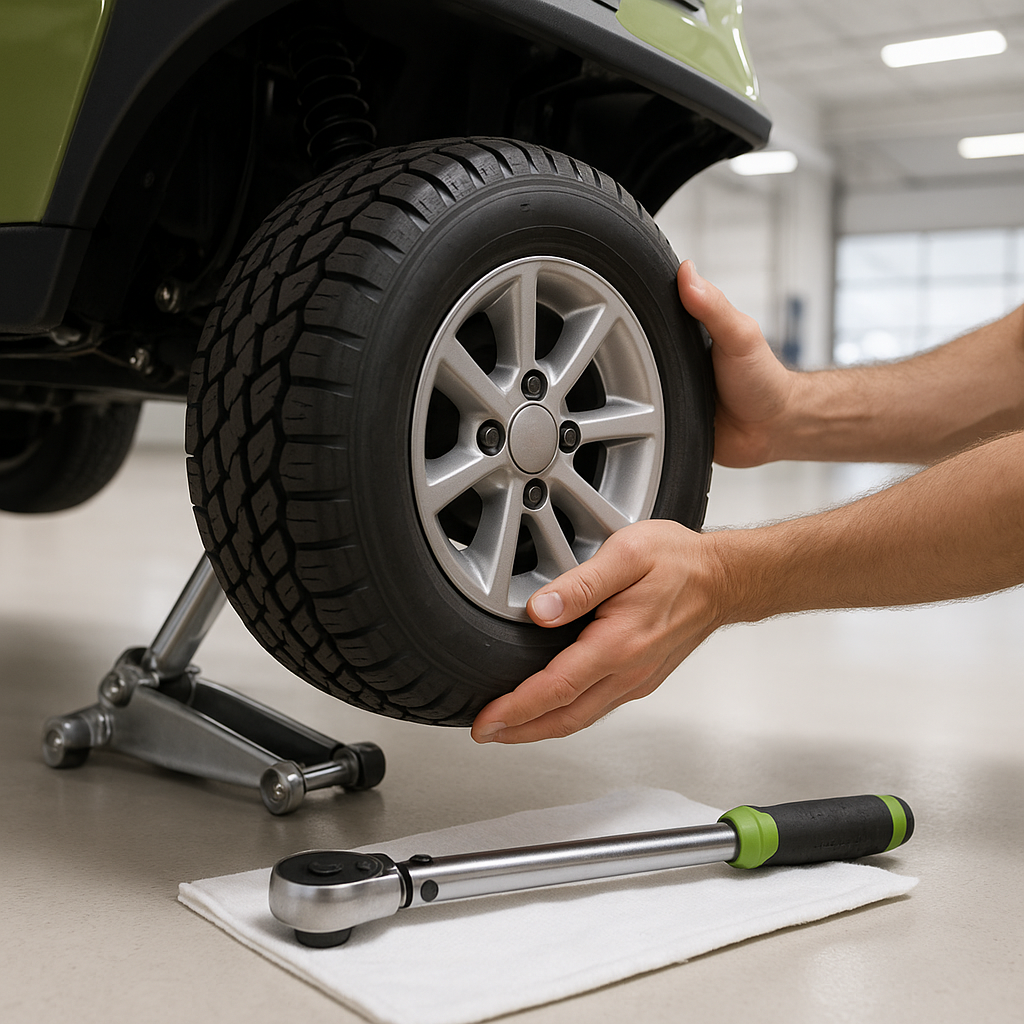
Before anything else, park the cart on a flat surface and check every lug nut on all four wheels by hand. A wheel that's even slightly loose will produce vibration that gets progressively worse with speed. Snug up any that have backed off, then take a short test drive. If the wobble disappears or noticeably improves, you found your problem. While you're at it, look at the wheel itself — it should sit flat and flush against the hub. A bent or warped wheel will rock slightly even when bolted down tight, which you can sometimes spot just by crouching and eyeballing the wheel face.
Check Tire Pressure and Condition
Uneven or low tire pressure is one of the most common causes of speed-related vibration on golf carts, and it's frequently overlooked because cart tires hold relatively little air compared to car tires. Check all four tires with a gauge and inflate them to the pressure stamped on the sidewall. Also look closely at the tread and sidewalls — a tire with a flat spot from sitting, a bubble in the sidewall, or uneven wear across the tread will never roll smoothly no matter how well the rest of the cart is set up. Flat spots from long storage often work themselves out after a few miles, but a bubble or bulge means the tire needs to be replaced.
Spin Each Wheel and Watch for Wobble
With the cart safely lifted and supported on jack stands, spin each wheel by hand and watch the outer edge as it turns. A true wheel will spin without any visible lateral movement. If you see the wheel bobbing in and out as it rotates — often called runout — the wheel itself may be bent, or the tire may be mounted off-center on the rim. Both conditions cause vibration. Also grab the top and bottom of the tire and try to rock it; any looseness here points to worn wheel bearings rather than the tire or rim.
Look at the Wheel Bearings
Wheel bearings take a lot of abuse on carts that see rough terrain, and they wear out gradually in a way that's easy to miss until the vibration gets bad. The rock test described above (grabbing the top and bottom of a lifted, stationary tire and pushing and pulling) is the standard first check. A good bearing will have essentially no play. Any noticeable looseness means the bearing is worn and needs to be inspected or replaced. You may also hear a grinding or humming noise from a bad bearing that changes pitch as you vary speed — that's a strong indicator even if there's not much wobble yet.
Inspect the Hubcaps and Trim Rings
This one gets overlooked, but a hubcap or trim ring that's loose, cracked, or slightly warped can generate its own vibration and rattle at speed — especially on carts with larger decorative caps over steel wheels. Pop each hubcap off and check whether the clips or retention tabs are intact and holding firmly. A hubcap that snaps on but still has some movement will buzz and vibrate at higher speeds. If the cap is cracked or the tabs are broken, the cap needs to be replaced. It's also worth checking that the hubcap diameter matches the wheel size — a cap that doesn't fit properly will never seat securely.
Consider Wheel Balance
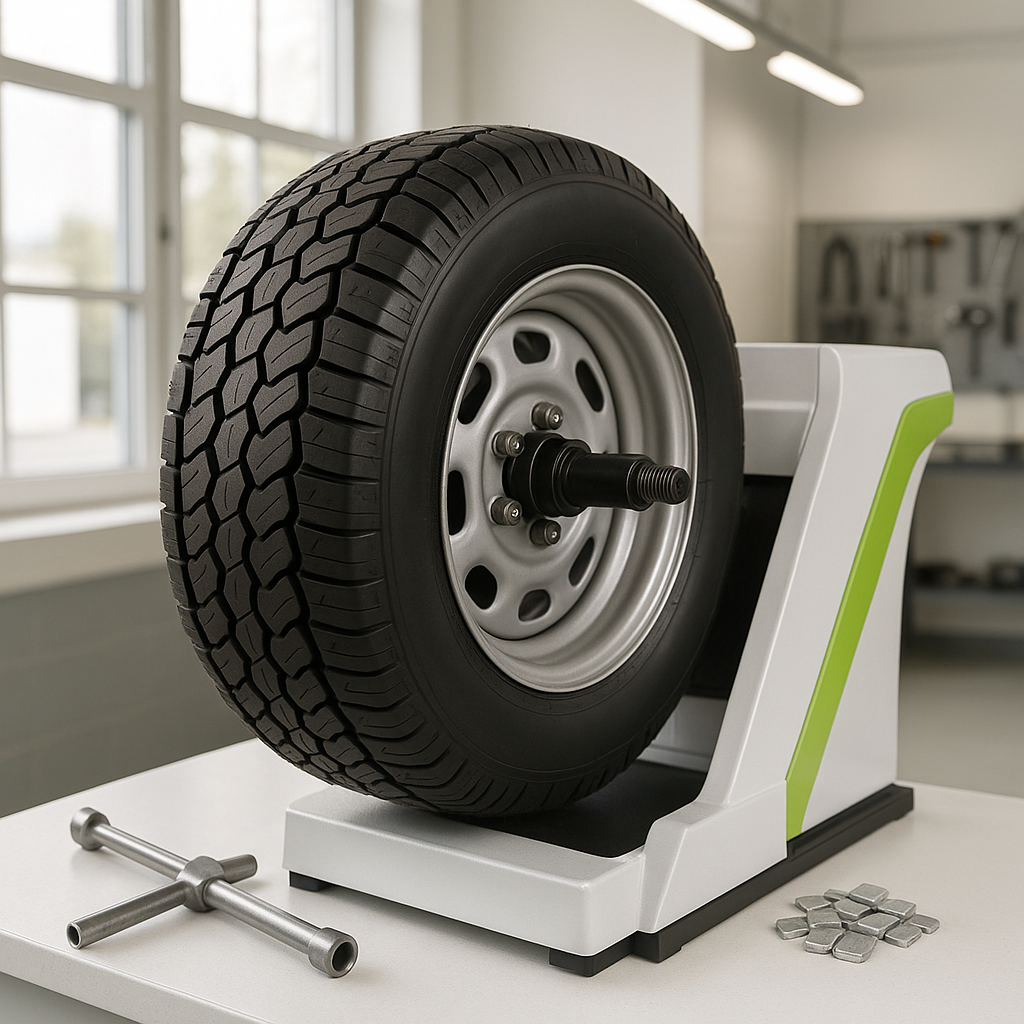
Golf carts typically run at low enough speeds that tire balancing is rarely needed — but if you've recently installed larger tires, aftermarket wheels, or a lift kit, balance can become a real factor. Carts running bigger tires at higher speeds (particularly lifted carts on public paths or neighborhoods) can develop vibration from imbalanced wheels just like a car would. Most tire shops can balance golf cart wheels on a standard balancer. If you've ruled out everything else and the shimmy persists, especially above a certain speed, balance is worth checking.
When to Stop Diagnosing and Replace Parts
If you've worked through all of the above and still have vibration, it's time to look more closely at the wheel and tire as a set. A tire that's been run flat, hit a hard curb, or simply aged out can develop internal damage that isn't visible from the outside. Similarly, a steel wheel that's been bent and re-bent tends to develop fatigue cracks that make it impossible to true. At that point, replacing the tire, wheel, or both is the right call — and it's also an opportunity to upgrade to a size or style that better fits your cart's current setup.