If your golf cart shakes, shimmies, or develops a rhythmic wobble once you get moving — especially at higher speeds — the wheels and tires are almost always where you should start. This kind of vibration is easy to dismiss as a rough path or worn suspension, but most of the time it has a straightforward mechanical cause you can diagnose yourself before spending money on parts. Work through the checks below in order, from the simplest to the more involved.
Start With a Basic Visual and Touch Inspection
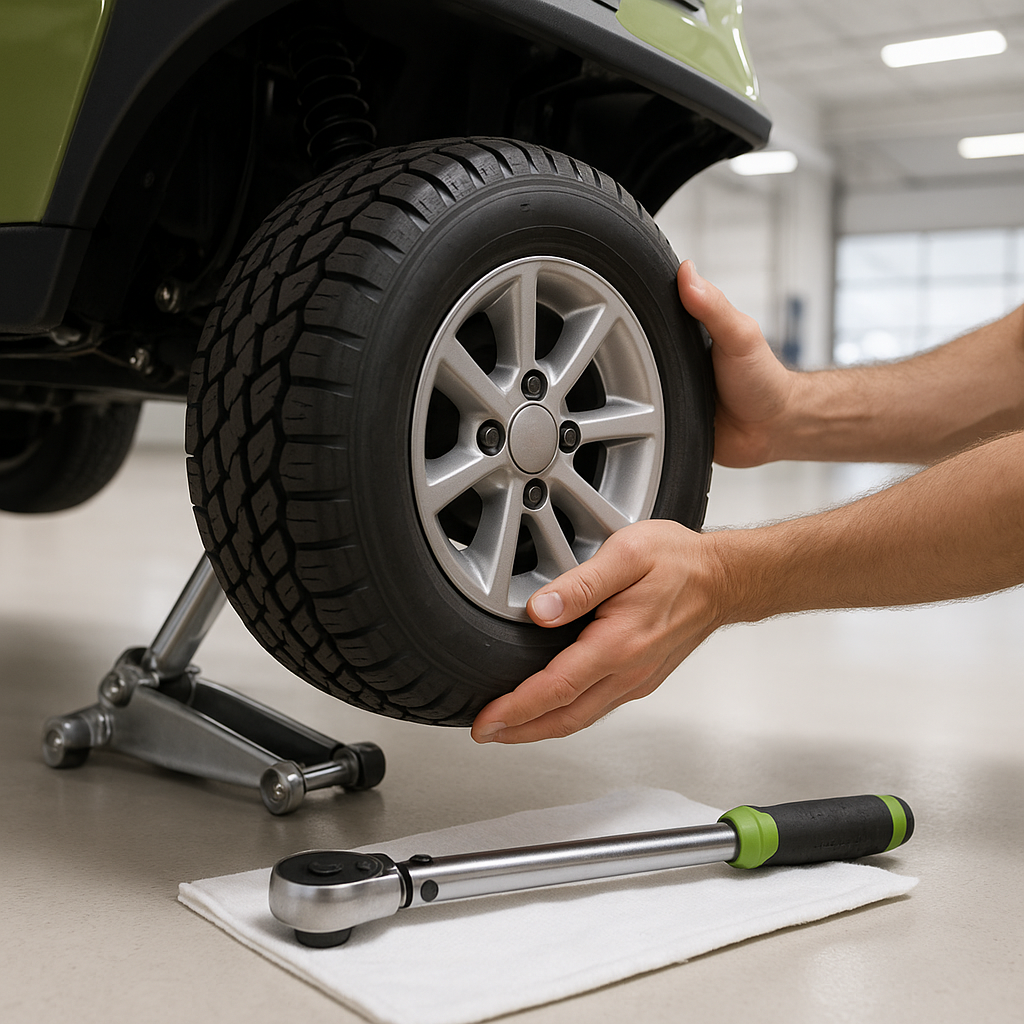
Park the cart on a flat surface, put it in neutral, and squat down next to each wheel. You're looking for a few things: obvious damage to the tire sidewall or tread, a tire that looks noticeably lower or more bulged than the others, and any rim that looks bent or out of round. Run your hand around each tire — you're feeling for flat spots, lumps, or sections where the tread feels harder or softer than the rest. A flat spot usually means the cart sat for a long time with weight on one spot, and it often causes a thumping vibration rather than a smooth shimmy. Bulges in the sidewall mean internal damage and that tire needs to come off immediately.
Check Lug Nut Torque Before Anything Else
Loose lug nuts are responsible for more wheel vibration than most people expect, and they're the easiest thing to rule out. Grab a lug wrench and work around each wheel in a star pattern. If any lug nuts are loose enough to turn by hand, that's almost certainly your problem — and it's a safety issue that needs fixing before the cart moves again. Tighten them properly and take the cart for a short test run. If the vibration is gone or dramatically reduced, you found it. While you're at it, look at the lug nuts themselves for any that are stripped or damaged, since those won't hold torque reliably.
Check for Wheel and Tire Balance Issues
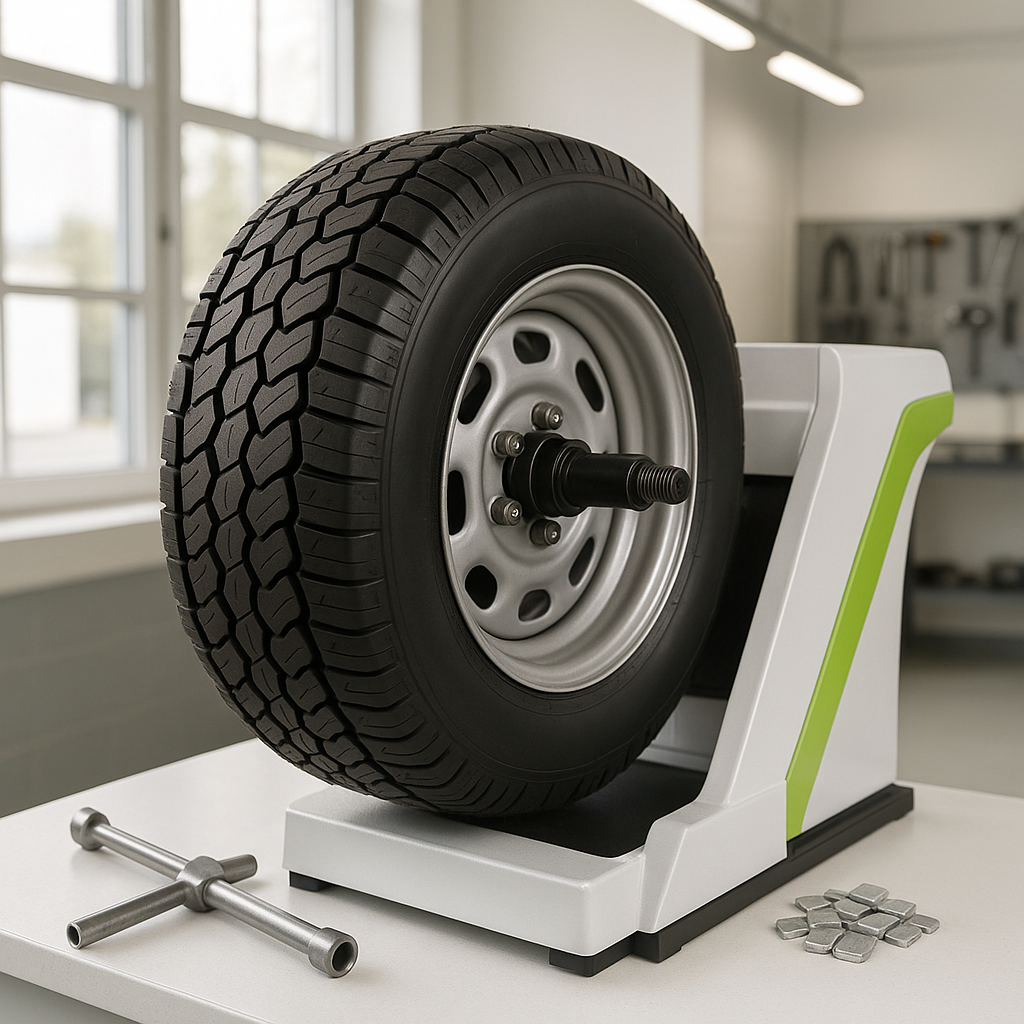
Golf carts don't always get balanced tires from the factory, and it's not something most owners think about. But an out-of-balance tire creates exactly the kind of speed-dependent vibration people describe — it gets worse as you go faster and often has a particular speed range where it's most noticeable. If you've recently put on new tires or wheels and the vibration started right after, imbalance is the most likely culprit. A tire shop can balance golf cart tires on most standard balancing equipment. It's worth doing whenever you mount new rubber, especially if you're running larger aftermarket tires.
Inspect the Wheel Hubs and Hubcaps
Hubcaps and decorative wheel covers can work loose over time, and a rattling or partially detached hubcap creates a surprising amount of vibration and noise. Give each hubcap a firm push and wiggle — it should feel solid with no movement. If one feels loose or makes a clicking sound when you push on it, remove it and inspect the retaining clips or tabs. Bent or broken clips are common, especially on older carts or carts that see rough terrain. Beyond the cosmetic cover, check the actual hub for play: grab the wheel at 3 and 9 o'clock and try to rock it side to side. Any detectable lateral play in the hub suggests a wheel bearing issue rather than a tire or balance problem.
Look at the Wheel Itself for Bends or Cracks
Steel and aluminum rims can both take damage from hitting a curb, a root, or a parking barrier — and a bent rim causes a very consistent vibration that gets worse at speed. With the wheel on the cart, spin it slowly by hand and watch the gap between the tire bead and the fender or any fixed reference point. If that gap grows and shrinks as the wheel turns, the rim is out of true. A severely bent rim needs to be replaced rather than repaired, since a repair weld on an aluminum wheel can fail unpredictably. Also look for hairline cracks around the lug holes, which are common on older wheels that have been over-torqued repeatedly.
Check Tire Pressure on All Four Corners
Uneven tire pressure between left and right tires causes handling pull and can contribute to vibration, especially when one tire is significantly low. Check all four tires with a gauge — don't rely on a visual check, since golf cart tires can lose significant pressure before they look noticeably flat. Bring all tires to the same pressure spec (check your cart's manual or the placard on the frame, not the max pressure stamped on the tire sidewall). Significant pressure differences side to side will also cause the cart to track unevenly, which amplifies any vibration already present.
When to Go Further
If you've worked through all of the above and still have vibration, the issue may be upstream of the wheels — worn spindle bearings, a bent spindle, or loose front end components. At that point it's worth having a mechanic put the cart on a lift and inspect the front end geometry properly. But in the majority of cases, vibration that starts at the wheels traces back to one of the basics: lug torque, balance, a bent rim, or a damaged tire. Start there, and you'll solve it most of the time without going further.